
G-Shield Fire
Vehicle Mounted Gas Detector
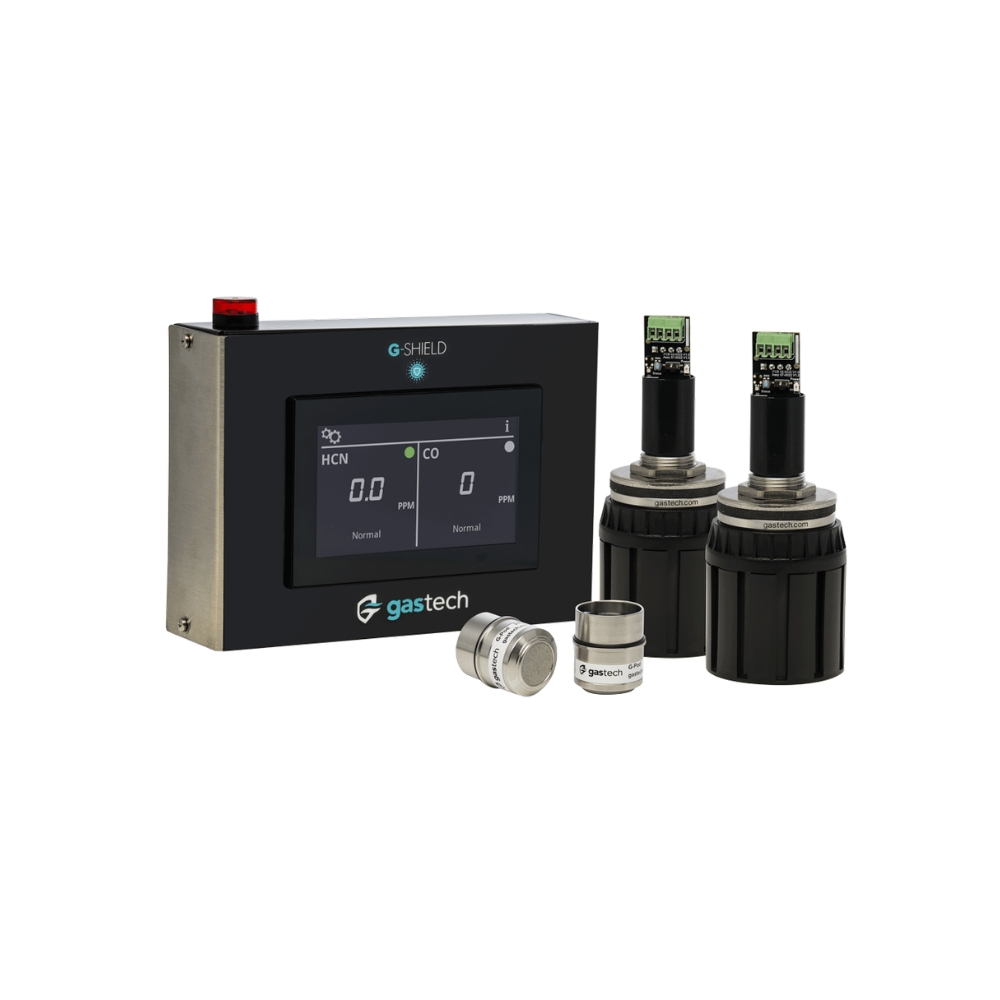
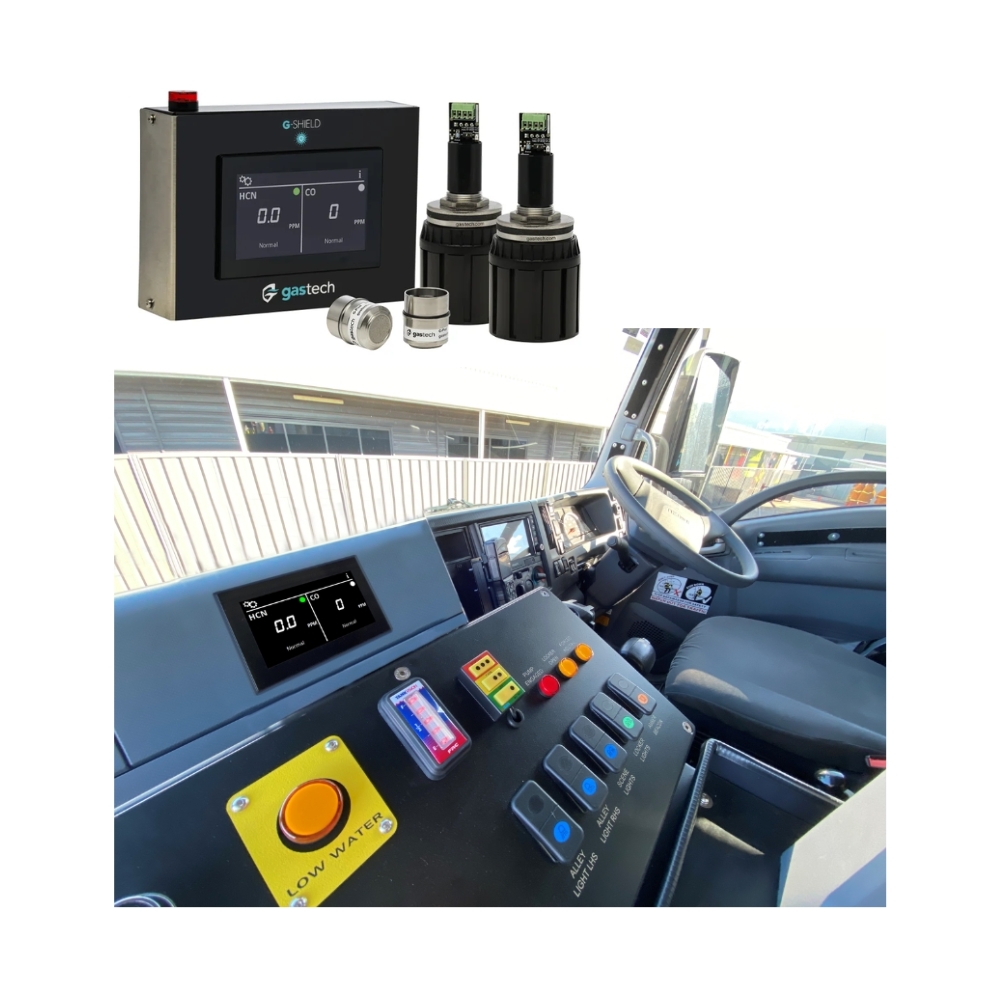
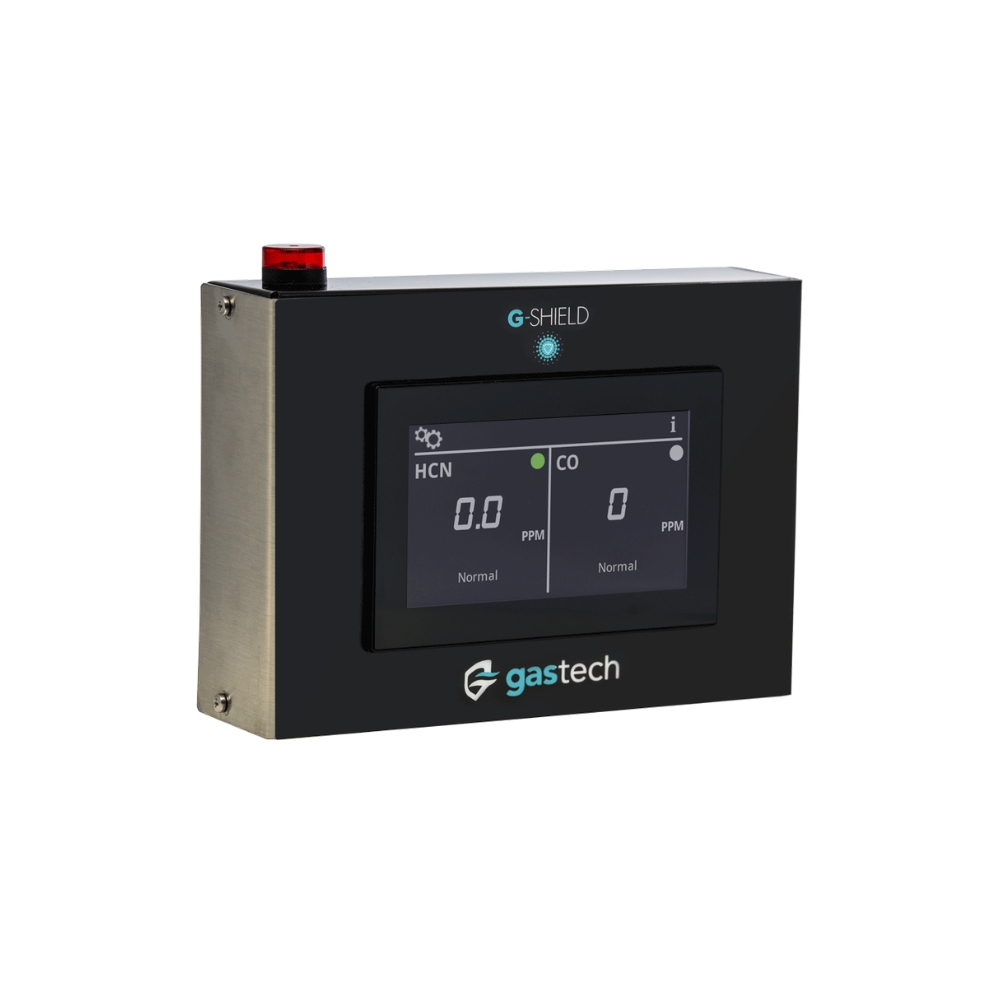
The G-Shield Fire is Gastech’s own vehicle mounted gas detection system, built so a crew can read the outside air from inside the cabin. It detects carbon monoxide and hydrogen cyanide, two of the most dangerous gases at a fire, and shows them on a full colour touchscreen with separate warning and danger alarm points. Sensors are plug in G-Pods that arrive pre calibrated, rated IP66 and IP68, on a 316L stainless steel sensor platform. Designed and built in Australia.
KEY BENEFITS
- Crews read the outside air from inside the cabin, before anyone opens a door
- Detects carbon monoxide and hydrogen cyanide, two of the most dangerous gases at a fire
- Plug in G-Pod sensors arrive pre calibrated, so a sensor change takes seconds at the station
- G-Pods arrive pre-calibrated, so there is no bench work before fitting
- Sensor platform is IP66 and IP68 rated in 316L stainless, built for washdown and weather
+ more in the Description tab below
The Toxic Twins
In the fire service, carbon monoxide and hydrogen cyanide are often called the toxic twins.
Carbon monoxide is the one people know about. Hydrogen cyanide is the one that has changed. It comes from burning synthetic materials, and modern buildings are full of them. Foam furniture, carpet, insulation, wiring, plastics and composites can all release hydrogen cyanide when they burn.
The two gases act on the body in different ways, and exposure to both at once can be more dangerous than either alone. Neither has a useful warning smell, and both can be present during overhaul and in the smoke drifting around an incident, not just inside the fire.
The G-Shield Fire exists so a crew knows what’s outside the vehicle before anyone steps into it.
Reading the Air Before the Door Opens
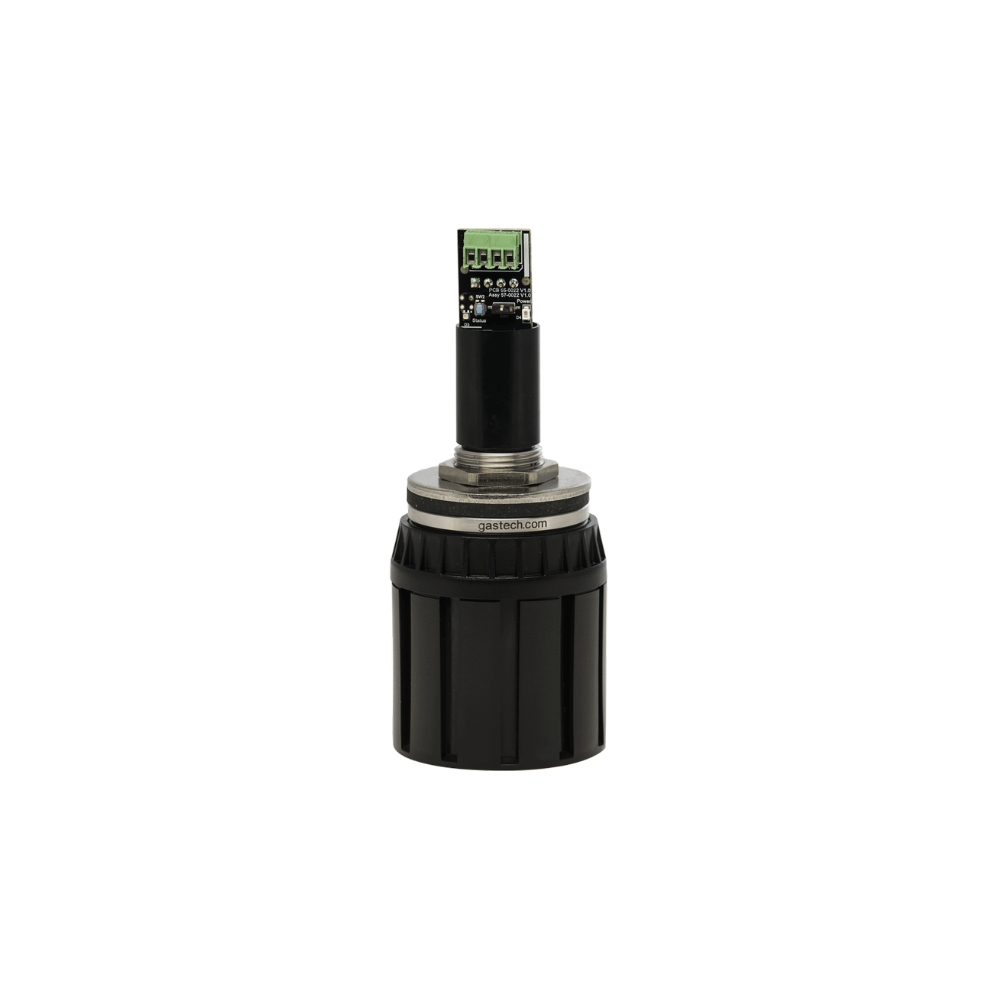
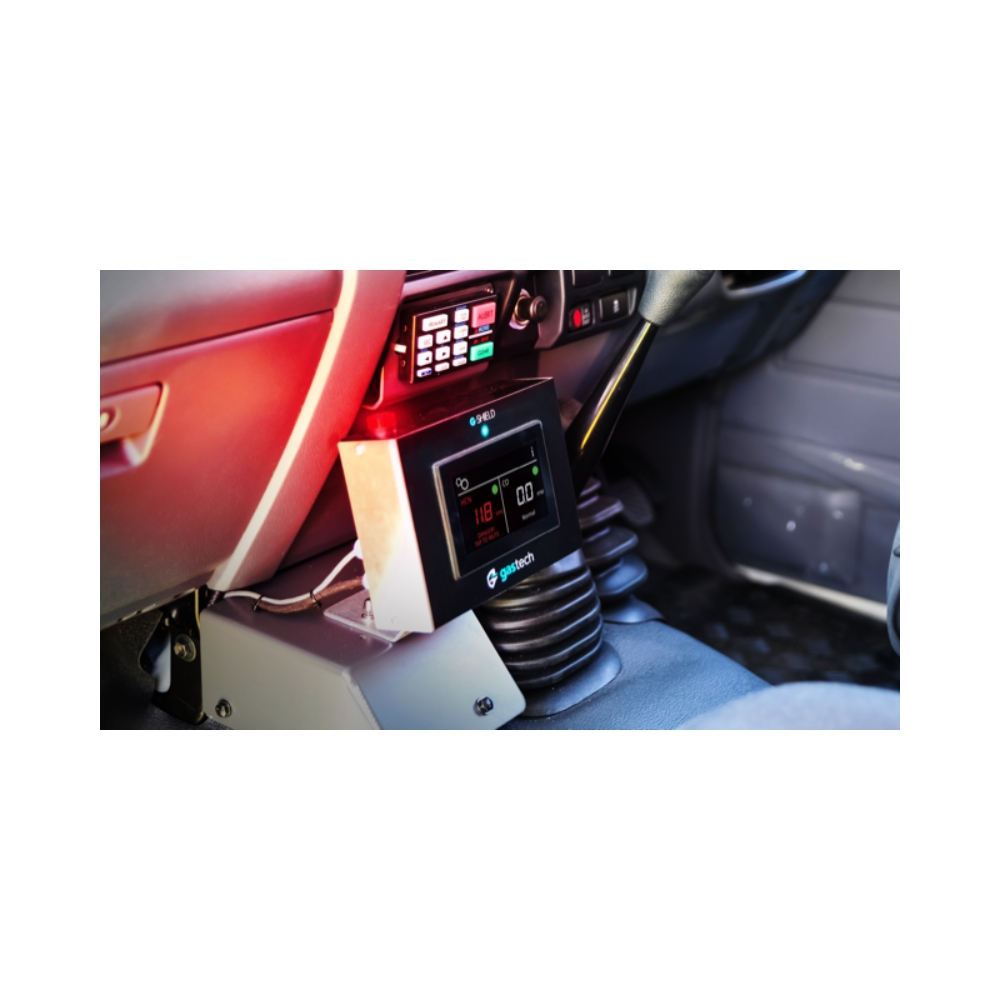
The sensors mount on the outside of the vehicle, and the display goes in the cabin.
That arrangement is the whole point. A detector worn by a person tells you what you’ve already breathed. A detector on the vehicle tells you what you’re about to walk into, while there’s still a decision to make about breathing apparatus, positioning or approach.
Readings are live and continuous, so the crew sees conditions change as the vehicle moves. On a fire ground where the wind shifts, that’s the difference between reacting and being caught out.
G-Pods: Sensor Changes in Seconds
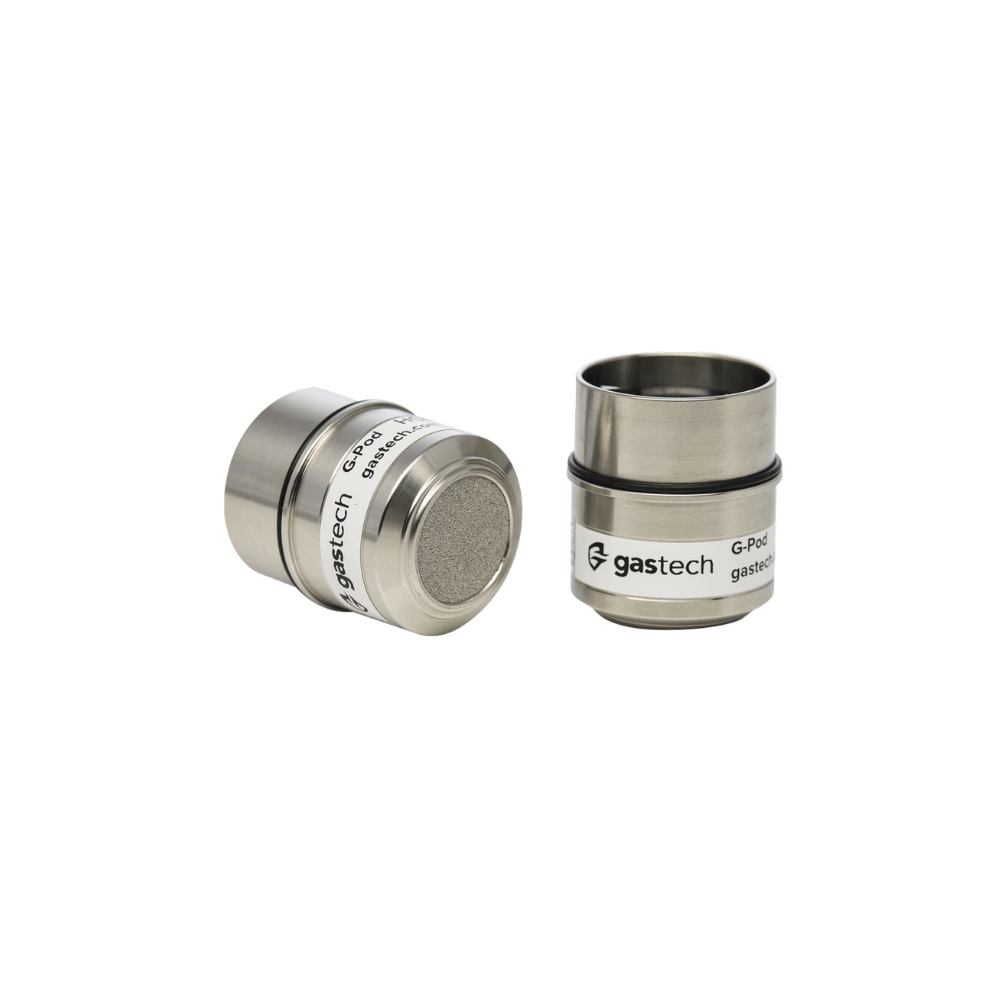
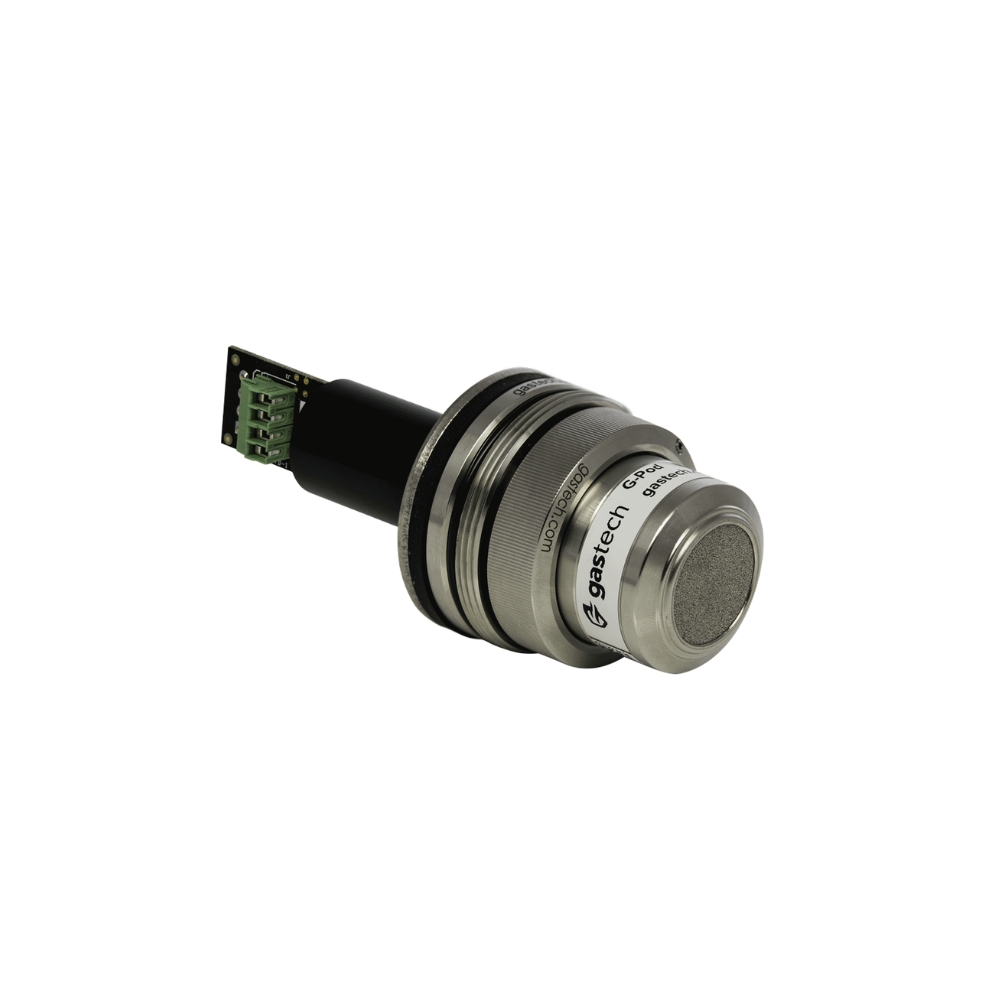
The sensors are G-Pods: smart, single sensor cartridges with their own data storage. They’re waterproof to IP66 and IP68, arrive pre calibrated, and plug straight into the sensor platform.
That matters operationally. An appliance out of service is an appliance not responding, so a sensor change that takes seconds at the station, rather than a day at a workshop, keeps the vehicle available. There’s no calibration to do when fitting, and no configuration to set, because each G-Pod carries its own identity and calibration data.
The platform is built to take more than the two gases currently offered. An onboard circuit provides a universal interface across different gases and sensor technologies, and the system can be configured for other applications and environments, including refuge chambers.
Built for Outside, Displayed Inside
The sensor platform is 316L stainless steel, rated IP66 and IP68 (1.2 m for 1.5 hours), and fits to the vehicle with an M25 thread.
Each part of the system has its own operating temperature range. The sensor platform runs from -20°C to +70°C. The CO G-Pod runs from -30°C to +50°C, and the HCN G-Pod from -40°C to +40°C. The cabin display runs from 0°C to +40°C. So the working range for a fitted system is set by the sensors installed, not just the platform.
The touchscreen display panel mounts in the cabin at 116 x 77.5 x 20 mm, so it fits a dash aperture without a bracket. An optional VESA 75 compliant enclosure is also available. The display and sensor platform weigh 220 and 230 grams, which is negligible on a fire appliance.
Power runs from 9 to 30 VDC, covering 12 and 24 V vehicle systems, with a separate accessory input on the same range so the unit knows the vehicle’s ignition state. The display typically draws 2 W, and the sensor platform less than 1 W.
Warning and Danger, Not Just Alarm
There are two alarm points rather than one: a warning level and a danger level.
That distinction is worth having on a fire ground. A warning tells the crew the atmosphere is getting worse, and to think about breathing apparatus. A danger alarm tells them the decision has been made for them. A single alarm point forces a choice between nuisance alarms and late alarms.
By default, carbon monoxide alarms at 30 ppm (warning) and 200 ppm (danger), and hydrogen cyanide at 4.7 ppm (warning) and 10 ppm (danger).
An internal sounder alerts occupants and can be acknowledged from the cabin. An optional display enclosure adds integrated audible and visual alarms, and the display can also drive customer supplied external alarms. Alarms can be viewed and acknowledged from different positions on the vehicle, which suits a larger appliance where the crew isn’t all in one place.
On Board Memory and Outputs
The unit logs readings to on board memory. For a fire service, that’s more useful than it first sounds. A crew exposure record, evidence of conditions at an incident, and data for a post incident review are hard to reconstruct afterwards, and easy to download.
Output relays are rated 5 A, so the detector can also drive something on the vehicle rather than only informing the crew.
The G-Shield Fire is designed and built in Australia by Gastech, in an ISO 9001 certified facility.
Where It’s Used
Fire appliances, pumpers and light tankers, rural and bushfire service vehicles, airport rescue and firefighting, mine rescue vehicles, emergency response vehicles on industrial and resource sites, hazmat response units, ambulance and paramedic vehicles attending fire grounds, marine and port firefighting units, and vehicles responding to electric vehicle and battery incidents.
Benefits
- Crews read the outside air from inside the cabin, before anyone opens a door
- Detects carbon monoxide and hydrogen cyanide, two of the most dangerous gases at a fire
- Plug in G-Pod sensors arrive pre calibrated, so a sensor change takes seconds at the station
- G-Pods arrive pre-calibrated, so there is no bench work before fitting
- Sensor platform is IP66 and IP68 rated in 316L stainless, built for washdown and weather
- Full colour touchscreen gives a clear reading rather than a code to interpret
- Separate warning and danger alarm points, preset at 30 and 200 ppm for CO and 4.7 and 10 ppm for HCN
- On-board memory records what the vehicle has driven through
- Alarms can be viewed and acknowledged from different positions on the vehicle
- Designed and built by Gastech in an ISO 9001 certified facility
Use
Self-contained gas detection system for use onboard automotive vehicles. In-cabin monitoring of external toxic gases
Sensor type
G-Pod intelligent single sensor cartridge, plug in and field replaceable, with data storage
Carbon monoxide range
0 to 500 ppm. Calibration point 100 ppm. Default alarms: warning 30 ppm, danger 200 ppm. G-Pod operating temperature -30°C to +50°C
Hydrogen cyanide range
0 to 30 ppm. Calibration point 10 ppm. Default alarms: warning 4.7 ppm, danger 10 ppm. G-Pod operating temperature -40°C to +40°C
Sensor calibration
G-Pods pre-calibrated before dispatch
Display
Full colour touchscreen, panel mounted
Alarm points
Warning and danger, with internal sounder acknowledgeable by occupants
Remote alarm options
Viewing and acknowledgement from different positions on the vehicle
Data logging
On-board memory
Battery supply voltage
9 to 30 V DC
Accessory supply voltage
9 to 30 V DC
Maximum power consumption
Display: typically 2 W. Sensor platform: under 1 W
Output relays
5 A at 250 V, 5 A at 30 V DC, 0.2 A at 300 V DC
Material, display
ABS
Material, sensor platform
316L stainless steel
Weight, display
220 g
Weight, sensor platform
230 g
Display dimensions
116 x 77.5 x 20 mm, panel mounted
Sensor platform mounting
M25 x 1.5P thread, torqued to 12 to 20 Nm
Ingress protection, display
IP40
Ingress protection, G-Pod sensor
Sensor platform IP66 and IP68 (1.2 m for 1.5 hours)
Temperature range, display
0°C to plus 40°C
Temperature range, sensor platform
-20°C to +70°C
Humidity
5% to 95% relative humidity
Display mounting options
Panel mounted, or enclosure mounted (VESA 75 compliant)
External alarms
Display can drive customer supplied external alarms
Manufacture
ISO 9001 certified facility
Carbon Monoxide
CO
Hydrogen Cyanide
HCN
- Aviation & Transportation
- Chemical Manufacturing
- Confined Space & Compliance
- Energy (Oil & Gas)
- Landfill & Remediation
- Marine & Maritime
- Medical & Healthcare
- Mining & Minerals
- Power Generation & BESS
- Water & Wastewater
Carbon monoxide and hydrogen cyanide, two of the most dangerous combustion products at a fire. They act on the body in different ways, and exposure to both together can be more dangerous than either alone.
Because it comes from burning synthetic materials, and modern buildings contain far more foam, plastics, insulation and composites than older ones.
Sensors mount outside on the vehicle and the touchscreen mounts in the cabin, so occupants read the external air before opening a door.
Seconds. G-Pods plug straight into the sensor platform and arrive pre calibrated, so there's no calibration or configuration on fitting.
Yes, the supply range is 9 to 30 volts DC, which covers both.
Yes, remote viewing and acknowledgement at different positions on the vehicle are available as options.
Trusted by









Contact Us
Can’t find what you’re looking for? Our team is happy to help.