

Configuration, Compliance Records And Live Monitoring
A bump test that was performed but not recorded did not happen, as far as an auditor is concerned. An alarm that nobody logged is not evidence of anything. Gas detection software is what turns a fleet of instruments into a record you can stand behind, which makes it considerably more than an accessory to the hardware.
Three different jobs get grouped under the word software, and they answer different questions. Buying the wrong one is common because the names do not make the distinction obvious.
Configuration is the first. Setting alarm thresholds, enabling or disabling features, applying the same policy across a hundred instruments rather than one at a time. On a mixed site with different work areas and different exposure standards, that consistency is the difference between a fleet and a collection. Honeywell’s Device Configurator covers this for their instruments.
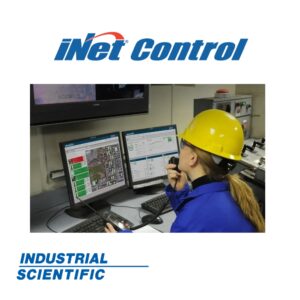
Fleet management and compliance records is the second, and it is where most of the value sits. Which instruments exist, who holds them, when each was last bump tested and calibrated, which sensors are approaching end of life, and what proportion of the fleet is actually compliant today. iNet Control from Industrial Scientific and Honeywell Safety Suite both do this, pulling records automatically from docking stations rather than relying on somebody filling in a spreadsheet. iNet Control+ extends the Industrial Scientific platform further.
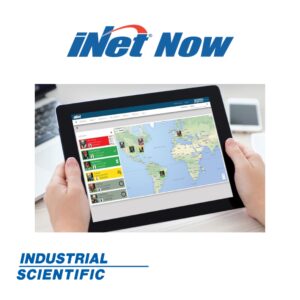
Live monitoring is the third and the newest. iNet Now delivers readings, alarms and location in real time, so a supervisor knows a worker is in trouble while it is happening rather than when they fail to return. That changes the response from recovery to intervention, and on remote or lone working it is the single largest safety improvement available from connected instruments.
There is a practical point worth stating plainly. The platform follows the hardware. iNet works with Industrial Scientific instruments and Safety Suite works with Honeywell, so the software is effectively chosen when the detectors are.
That matters for anybody running a mixed fleet, because it means two platforms, two sets of records and two compliance reports covering the same workforce. If your fleet has grown by buying whatever was available at the time, consolidating on one brand is worth considering for the software reason alone, even where the instruments themselves are perfectly good.
One product here answers a different question entirely. easyEmission is the analysis and reporting software for Testo emissions analysers, so it belongs with the emissions analyser range rather than with gas detection fleets.
Our Technical Consultants will work through what you actually need recorded, how the fleet is used and which instruments you hold, from WA, NSW and QLD.
Trusted by









Contact Us
Can’t find what you’re looking for? Our team is happy to help.