
Calibration Gas For Bump Testing And Instrument Calibration
A gas detector that has not been checked against a known concentration is producing numbers rather than measurements. Calibration gas is what turns one into the other, which makes it the least glamorous and most consequential item in the catalogue.
Two operations use it and they are not the same thing, though the terms get used interchangeably. A bump test applies gas briefly to confirm the sensor responds and the alarms activate. It proves the instrument works and it adjusts nothing. A calibration applies gas of a certified concentration and adjusts the instrument so it reads correctly. One is a check, the other is a correction, and a fleet that only ever gets bump tested will drift.
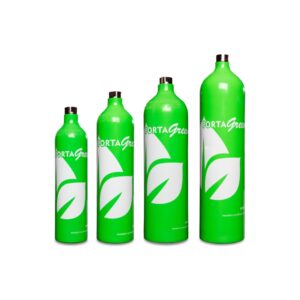
The practical consequence is consumption. Bump testing before each day’s use, which is what Australian practice expects for portable instruments in hazardous areas, gets through considerably more gas than most operations budget for. That is the argument for a docking station, and it is also the reason cylinder size and supply arrangement are worth thinking about rather than ordering as an afterthought.
Shelf life is where most money gets wasted, and it varies far more than people expect. Stable gases hold their concentration well, so methane, carbon monoxide, carbon dioxide and oxygen mixtures typically carry two to three years. Reactive gases do not. Hydrogen sulphide, chlorine, ammonia, sulphur dioxide and hydrogen chloride adsorb onto the cylinder wall and degrade, so a hydrogen sulphide mixture is commonly twelve months and some reactive single gases are shorter still. Reactive mixtures are supplied in specially treated cylinders with a passivated internal surface for that reason, which is also why they cost more.
So buying the largest cylinder to reduce the unit cost frequently means discarding the balance when it expires. Matching cylinder size to consumption over the shelf life is a better calculation than matching it to price per litre.
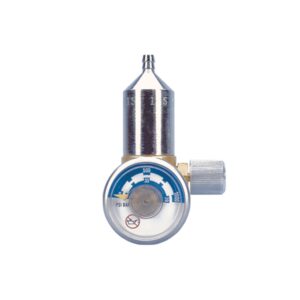
The regulator is not an accessory, and choosing the wrong one is the most common cause of a calibration that fails for reasons unrelated to the instrument. A diffusion instrument needs a fixed flow regulator delivering the rate its calibration cap expects. An instrument with a pump needs a demand flow regulator, because a fixed flow regulator either starves the pump or pressurises the sensor, and both give a wrong result. Gastech supplies the 700 Series, 2000 Series and R Series regulators to cover those cases.
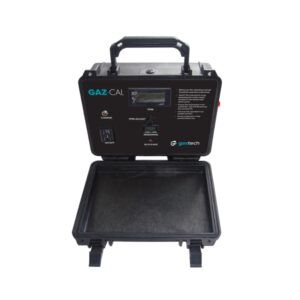
Calibration gas generators answer a different problem. Rather than storing gas in a cylinder, a generator produces it on demand, which removes the shelf life question entirely. That matters most for the reactive gases where a cylinder is a poor container in the first place, and it removes the dangerous goods handling, transport and disposal that come with cylinders.
Those practicalities matter more in Australia than in most markets. Calibration gas cylinders are dangerous goods, which restricts air freight and governs road transport, and that shapes what can realistically be got to a remote site and how quickly.
Our Technical Consultants will work through the instrument, the sensors fitted, the testing frequency and the site logistics before recommending a supply arrangement, from WA, NSW and QLD.
Trusted by









Contact Us
Can’t find what you’re looking for? Our team is happy to help.