

AQMesh
Air Quality Monitoring System
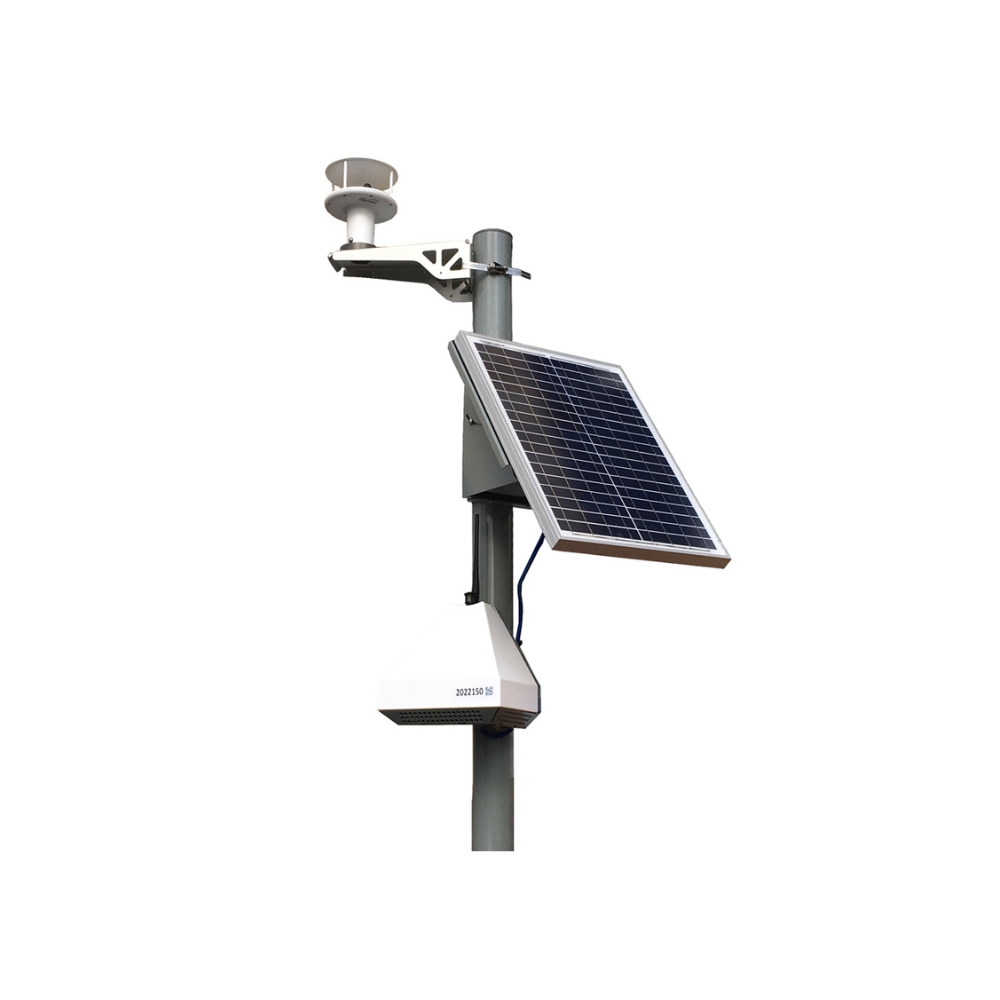
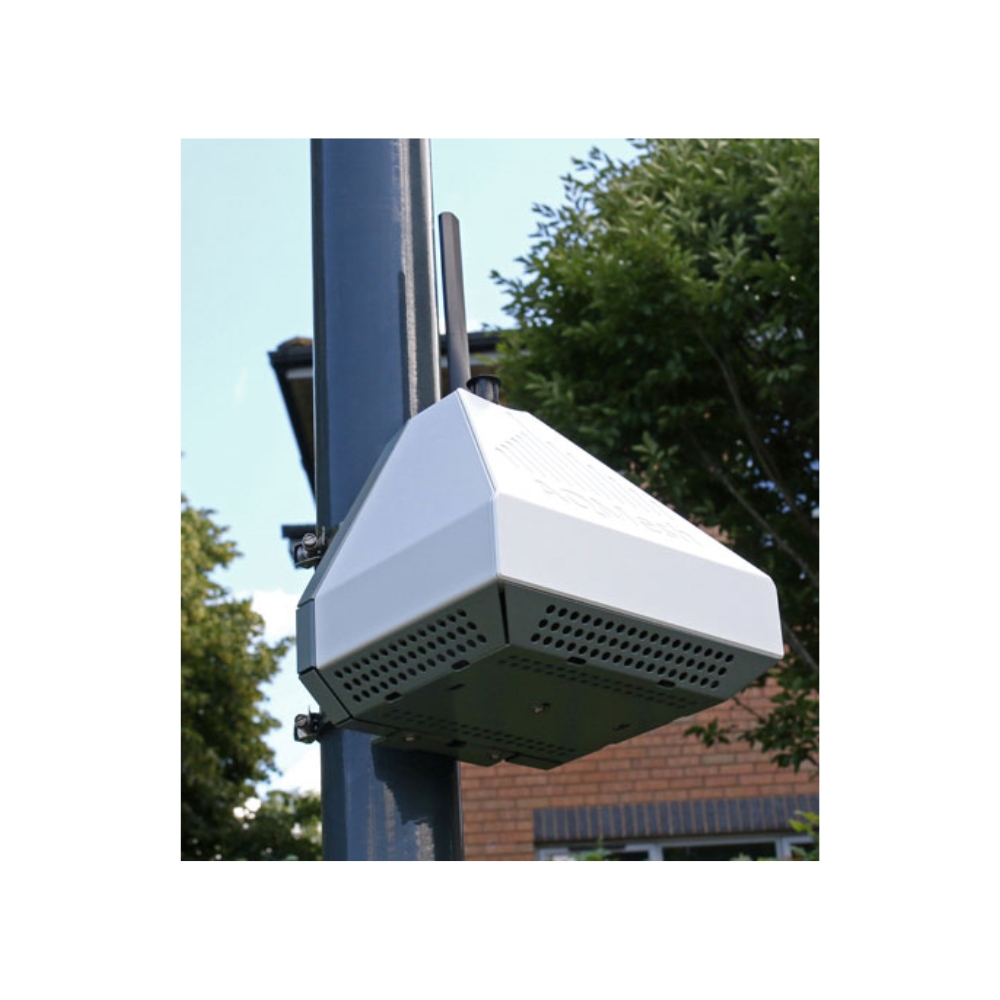
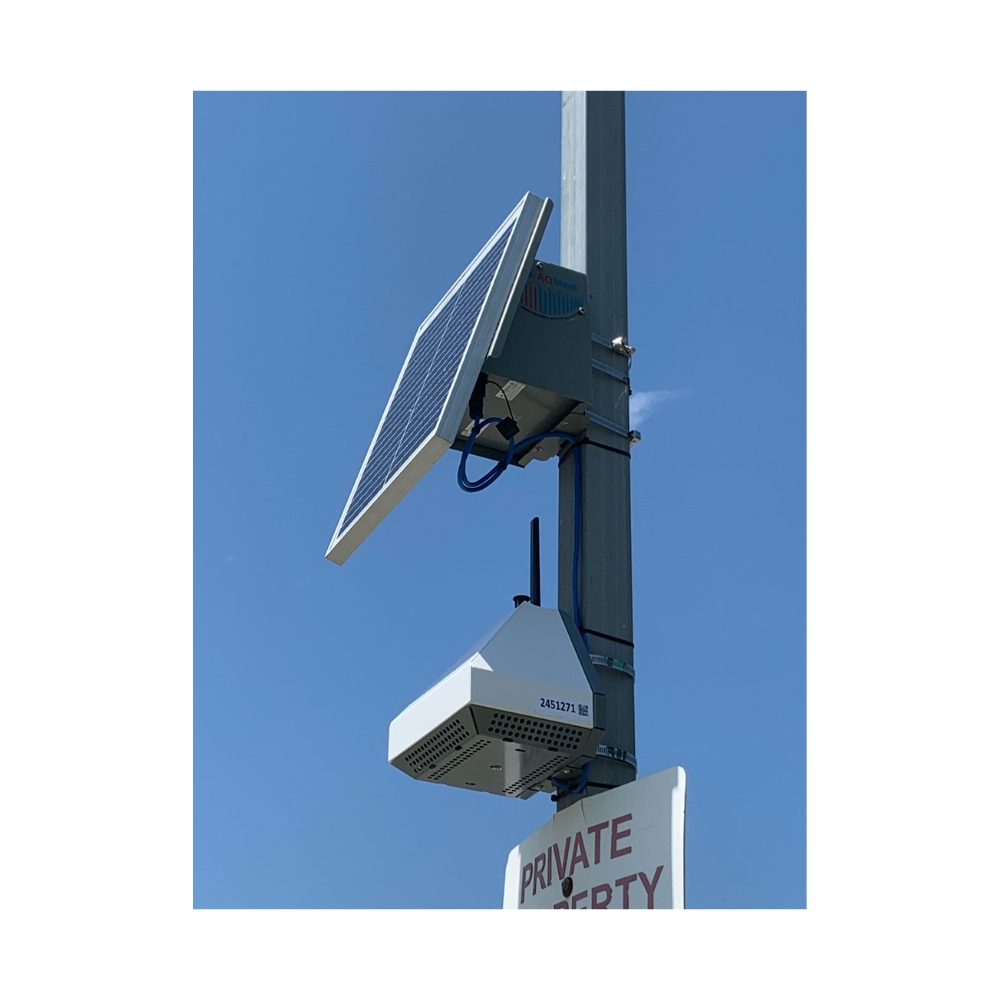
AQMesh is a small sensor air quality monitoring pod that goes where the measurement is needed rather than where the infrastructure already is. It runs on solar, battery or mains, communicates over the mobile network, and installs on a post, fence or wall in minutes. Specify a single gas or up to six, add particulate, noise and wind, and pay only for the channels you need.
KEY BENEFITS
- Specify a single gas or up to six, so you pay only for the channels the project needs
- Independent power and communications, so location is not decided by infrastructure
- Installs on a post, fence or wall in minutes without specialist technicians
- Wind speed and direction module allows pollution to be traced to its source
- Direct nitrogen dioxide measurement using an ozone filtered sensor, not a calculation
+ more in the Description tab below
Measure Where It Matters, Not Where the Power Is
The constraint on air quality monitoring has always been infrastructure. A reference station needs a building, mains power and a data connection, so measurements get taken where those exist, rather than where the question is.
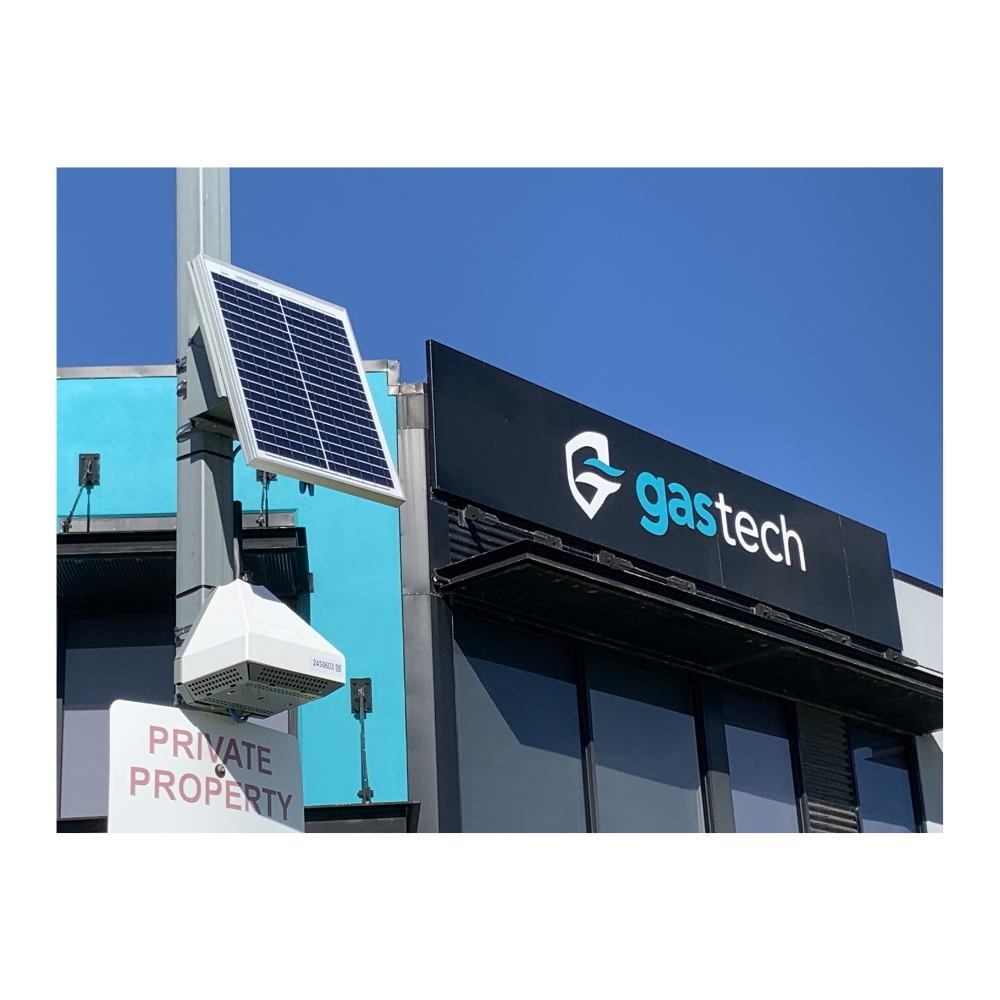
AQMesh removes that. The pod carries its own power, from a solar pack, batteries or a mains supply, and its own communications over the mobile network, with LAN or power over Ethernet as options. It mounts on a wall or post with the supplied bracket, weighs 2 to 2.7 kg, and installs in a few minutes without experienced technical staff.
The practical effect is that a boundary can be monitored where a complaint comes from, and a work front where the work is happening. A pod can be moved when the question changes.
Pay for the Channels You Need
Each pod can be specified to monitor a single gas or up to six, plus particulate, noise, and wind speed and direction.
Gases available are nitric oxide, nitrogen dioxide, ozone, carbon monoxide, sulphur dioxide, hydrogen sulphide and total VOCs, measured by electrochemical sensors, plus carbon dioxide by NDIR. Particulate is measured by a light scattering optical particle counter, covering PM1, PM2.5, PM4, PM10 and total particulate. Noise is measured with an omnidirectional microphone, and wind speed and direction by a meteorological sensor.
Pod temperature, atmospheric pressure and relative humidity are measured on all pods as standard.
If a project needs two gases, you buy two gas sensors.
Wind Direction Is What Turns Data Into Evidence
This is the capability worth understanding, because it changes what the monitoring is for.
A pollutant reading tells you a concentration was present at the boundary. It doesn’t tell you where it came from, which is exactly the question in dispute when a neighbour complains or a regulator asks.
Adding wind speed and direction allows that question to be answered. Combining the pollutant reading with the wind at the time shows the direction the pollution arrived from. That helps separate emissions from your own site, which you can manage, from emissions arriving from a neighbouring operation or regional background, which you can’t.
In an argument about responsibility, that distinction is often the whole case.
Nitrogen Dioxide Measured, Not Calculated
This is a technical point that separates AQMesh from some small sensor equipment.
Nitrogen dioxide and ozone interfere with each other in electrochemical sensing, and some manufacturers use a calculation to give an NO2 reading. A calculated value inherits the errors of the measurement it came from, and depends on the assumed relationship holding.
AQMesh uses a unique ozone filtered NO2 sensor, for an accurate, direct measurement of NO2. NO2 is closely associated with diesel and traffic sources, so measuring it directly matters.
Traceable Data Processing
Small sensor air quality monitoring can have a credibility problem, and AQMesh addresses it directly.
The data processing algorithms are fully traceable and fixed by version number, and were developed without machine learning or artificial intelligence. AQMesh’s performance and long term stability have been proven over many years of independent co-location trials against certified reference equipment, in all seasons and across all continents.
That fixed approach sounds like a limitation, but it isn’t. An algorithm fixed by version number produces the same output from the same input today and in three years, so a data set collected over a long period stays consistent. On data meant to support a compliance position or a dispute, repeatability matters more than sophistication.
AQMesh has been on the market since 2012, with some customers still running the same pods they received seven years ago.
Weak Signal Isn’t Lost Data
Data is sent automatically to the AQMesh server. Where it can’t be transmitted, it’s stored locally on the pod until it can be.
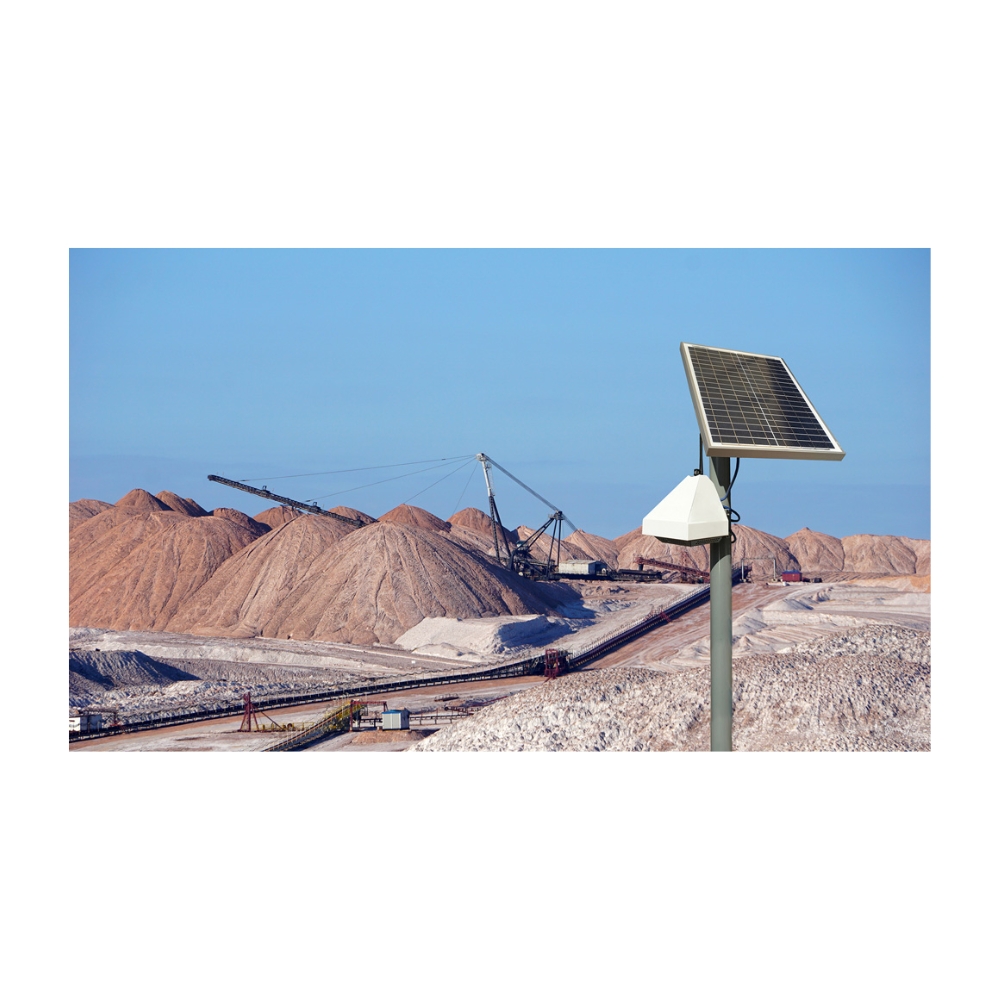
That matters on the sites where this equipment is most useful. Remote mining operations, landfill perimeters, rural industrial sites and construction in areas with patchy coverage are exactly where a system that only reports live would produce a data set full of gaps.
Readings are processed and stored on AQMesh’s secure server, accessed by web login, by API for integration with another system, or emailed on a schedule. Measurement periods can be set from 1 minute to 1 hour, and transmission intervals from 5 minutes to 12 hours.
Low Maintenance by Design
Ongoing cost is low. AQMesh recommends replacing the electrochemical sensors at two year intervals, and replaces all sensors free of charge during the first year. NDIR, solid state and microphone sensors have an expected life of five years.
An optional heated inlet is available for particulate monitoring, where high humidity would otherwise affect particle sizing. That’s worth considering for coastal and tropical Australian installations.
Technical support from AQMesh is free of charge, wherever the pod is located.
Where It’s Used
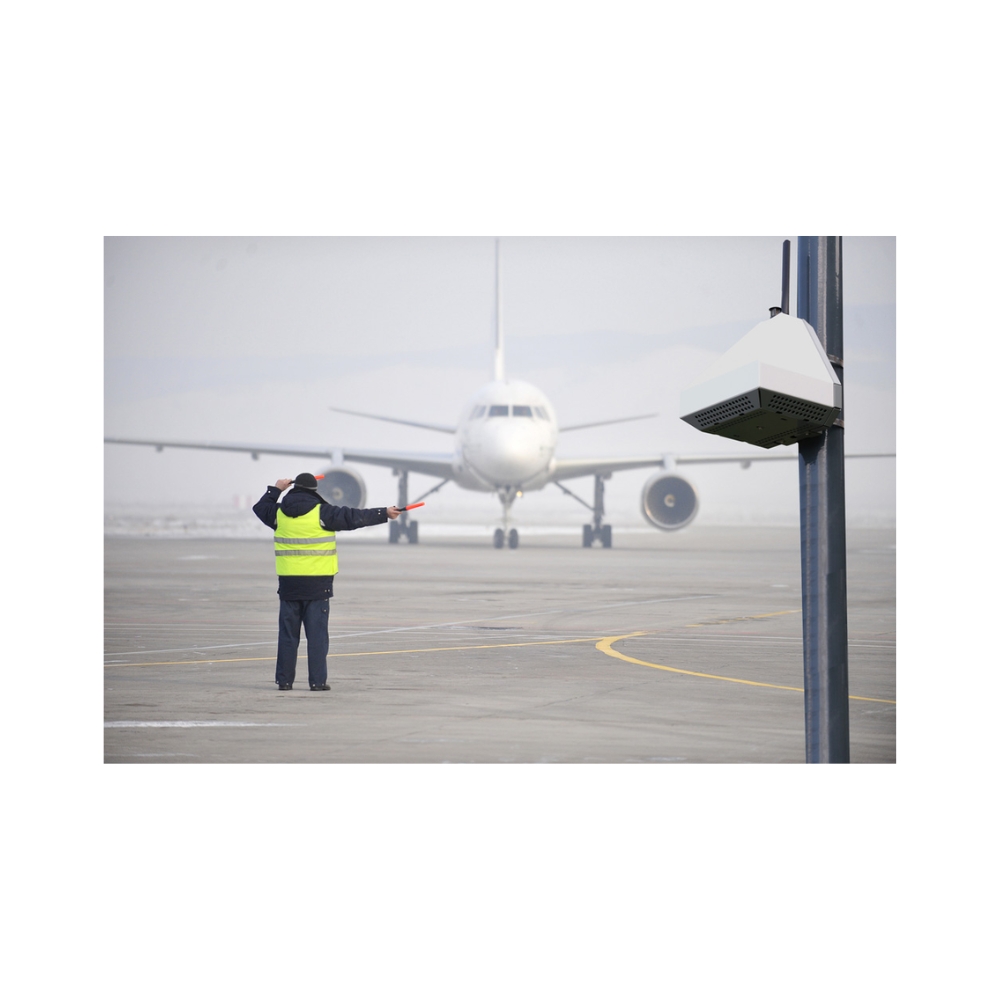
Industrial fence line and boundary monitoring. Mining operations and haul roads. Landfill and waste facilities. Construction and demolition sites. Ports and bulk handling. Quarries and cement plant. Petrochemical facilities. Airports. Railways. Schools and community monitoring. Local authority networks. Baseline studies before a development. Complaint investigation and dispute resolution.
Benefits
- Specify a single gas or up to six, so you pay only for the channels the project needs
- Independent power and communications, so location is not decided by infrastructure
- Installs on a post, fence or wall in minutes without specialist technicians
- Wind speed and direction module allows pollution to be traced to its source
- Direct nitrogen dioxide measurement using an ozone filtered sensor, not a calculation
- Measures PM1, PM2.5, PM4, PM10 and total particulate with an optical particle counter
- Stores readings and transmits when signal returns, so a weak network does not lose data
- Data processing is traceable and version fixed, with no machine learning involved
- Electrochemical sensors replaced at two year intervals, with all sensors replaced free in the first year
- Rated IP65 for outdoor use, from -20 to +50°C
Instrument type
Small sensor air quality monitoring pod
Gas channels
Up to six per pod, including carbon dioxide
Gas measurement
Electrochemical, with infrared for carbon dioxide
Particulate
PM1, PM2.5, PM4, PM10 and total particulate, by light scattering optical particle counter (0.3 to 30 µm optical range)
Environmental parameters
Temperature, atmospheric pressure and relative humidity, on all pods
Optional modules
Noise, omnidirectional microphone, 35 to 100 dB SPL (average and peak). Wind speed (0 to 30 m/s) and direction (0 to 359°)
Weight
2 to 2.7 kg
Mounting
Mounting bracket supplied for walls and posts
Power options
Solar power pack, lithium battery pack, external high capacity battery pack, NiMH rechargeable battery pack, or external DC (9 to 24 V)
Communications
4G/5G LTE Cat M1/NB1, worldwide coverage. Optional Ethernet and PoE
Data storage
Sent automatically to the AQMesh server. Stored locally only when it can't be transmitted
Data access
Secure web login or API, or scheduled email
Data processing
Traceable and fixed by version number. No machine learning or artificial intelligence
Performance
Proven in independent global co-location trials against certified reference equipment
Sensor replacement
Electrochemical sensors at 2 year intervals. All sensors replaced free in year one. NDIR, solid state and microphone sensors: 5 year expected life
Options
Heated inlet, to reduce the effect of high humidity on particle sizing
Measurement and transmission
Measurement period 1 minute to 1 hour. Transmission interval 5 minutes to 12 hours
Size
170 x 220 x 250 mm (430 mm high with antenna)
Enclosure and environment
ABS, IP65. -20 to +50°C. 15 to 95% RH
Warranty
12 months. Electrochemical and particle sensors carry a 12 month warranty
Carbon Monoxide
CO
Carbon Dioxide
CO2
Hydrogen Sulphide
H2S
Nitric Oxide
NO
Nitrogen Dioxide
NO2
Ozone
O3
Sulphur Dioxide
SO2
- Aviation & Transportation
- Carpark & HVAC
- Chemical Manufacturing
- Energy (Oil & Gas)
- Food & Beverage
- Landfill & Remediation
- Marine & Maritime
- Mining & Minerals
- Power Generation & BESS
- Technology & Semiconductor
- Water & Wastewater
Up to six, including carbon dioxide. Beyond that a second pod is needed.
No. It runs on a smart solar pack, batteries or mains, and communicates over the mobile network, LAN or power over Ethernet.
Data is stored locally on the pod when it can't be transmitted, then sent to the AQMesh server once a connection is available.
With the wind speed and direction sensor, readings can be combined with wind data to show the direction pollution arrived from, helping separate your own site's emissions from those arriving from elsewhere.
Directly, using an ozone filtered sensor, rather than being calculated from another measurement as some small sensor systems do.
Very little. Electrochemical sensors are replaced at two year intervals, and all sensors are replaced free of charge during the first year.
Trusted by









Contact Us
Can’t find what you’re looking for? Our team is happy to help.