
Chlorine Gas Detection
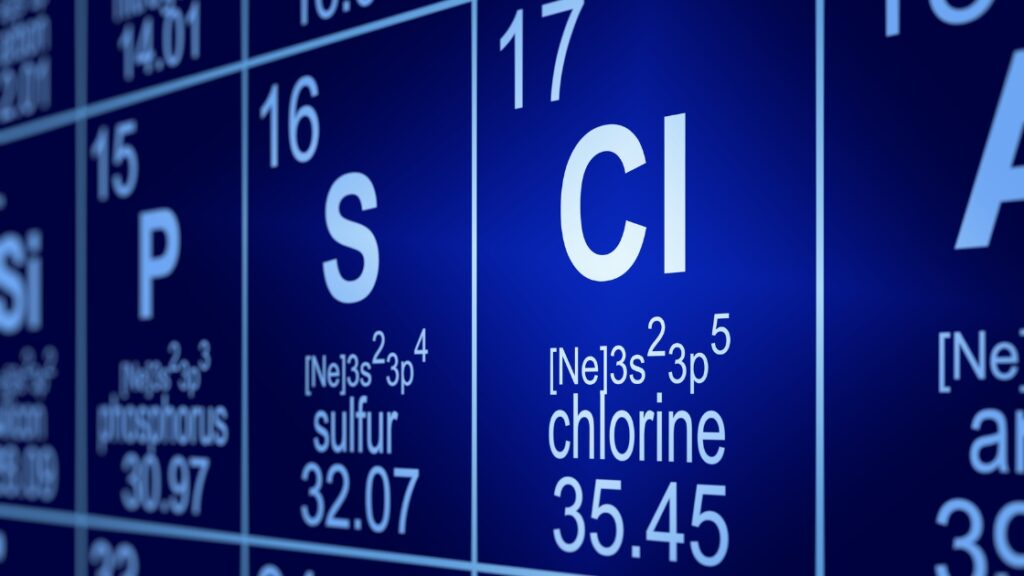
Chlorine is in more Australian workplaces than most people realise. Water treatment and sewage effluent. Pulp bleaching in paper mills. Sanitising equipment and utensils in food and beverage processing. Manufacturing rubber, antifreeze, household cleaners and pharmaceuticals. And the most familiar one, keeping swimming pool water safe.
Most of us handle products containing chlorine without a second thought. In industrial concentrations it causes illness, injury and death.
The curve is steep
Chlorine is a strong irritant affecting the eyes, the upper respiratory tract and the lungs, and what makes it dangerous is how quickly the effects escalate.
Below one part per million there is tickling of the nose and throat, progressing to stinging or dryness and burning of the conjunctiva. From 1 ppm the discomfort becomes ocular and respiratory irritation, coughing, shortness of breath and headaches.
From there it moves fast.
| Concentration | Effect |
|---|---|
| 1 to 3 ppm | Mild mucous membrane irritation |
| 30 ppm | Chest pain, vomiting, shortness of breath, coughing |
| 46 to 60 ppm | Toxic pneumonitis and pulmonary oedema |
| 430 ppm | Lethal after 30 minutes |
| 1,000 ppm | Fatal within a few minutes |
The gap between uncomfortable and lethal is narrower than people assume, and the effects begin below the point where anybody would describe the atmosphere as bad.
It sinks
Chlorine is a greenish yellow gas, slightly soluble in water, with a pungent irritating odour. It is also 2.47 times heavier than air, and that single figure should determine where your detection goes.
Chlorine settles. It collects in low lying areas, pits, sumps, trenches and the bottom of confined spaces. So a sensor mounted at breathing height in a pump room may read clean while a hazardous concentration sits at floor level.
For a confined space the same logic applies in reverse. Lower the probe rather than sampling from the top, because the top of the space is the last place it will be.
The mistake that gives you a clean reading
This is the one worth knowing, because it produces a false sense of safety rather than an obvious fault.
Chlorine adsorbs onto surfaces. Draw a sample through a standard hose and a meaningful proportion of the chlorine sticks to the inside of the tube rather than reaching the sensor. The instrument then reports a low reading, or none at all, and nothing about the result looks wrong.
Sample drawing instruments used for chlorine need Teflon lined hoses. Not as a refinement, but because without them the measurement is not a measurement.
The same stickiness is why chlorine detection needs functional testing more often than most gases. A sensor that has not seen chlorine for months is not necessarily a sensor that will respond to it.
Chlorine and ammonia do not mix
Chlorine is a strong oxidiser and it reacts explosively, or forms explosive compounds, with a list of common substances: acetylene, ether, turpentine, ammonia, fuel gas, hydrogen and finely divided metals.
Ammonia is the one to pay attention to, because chlorine and ammonia frequently appear on the same site. Water treatment plants use both. So do food processing facilities, where chlorine sanitises and ammonia runs the refrigeration.
If both are present, storage separation and detection for each are not separate questions.
What to monitor with
For personal and confined space work, a portable instrument with a chlorine sensor, or a sample drawing instrument with the right hose. Data logging matters more here than on most gases. Time weighted average and short term exposure limit alarms are what protect a worker from an exposure they did not notice accumulating.
For continuous plant wide monitoring, fixed transmitters placed where the gas will actually be. Breathing zone, gas cabinets, storage areas and process rooms, with low mounting reflecting the density. Pre-calibrated smart sensors simplify the maintenance considerably, which matters on a gas that needs testing regularly.
And for calibration, chlorine is awkward. It degrades in a cylinder, so a chlorine mixture typically expires within six months whether it has been used or not, and low concentrations are difficult to keep stable. A chlorine gas generator makes the gas on demand instead, which removes the shelf life problem entirely.
Talk to us
Chlorine is a gas where the detail decides whether the detection works. Hose material, sensor placement, testing frequency and calibration source all change the answer.
Our Technical Consultants will work through your application, from WA, NSW and QLD.