
Winery Gas Detection: Fermentation Is A CO2 Generator
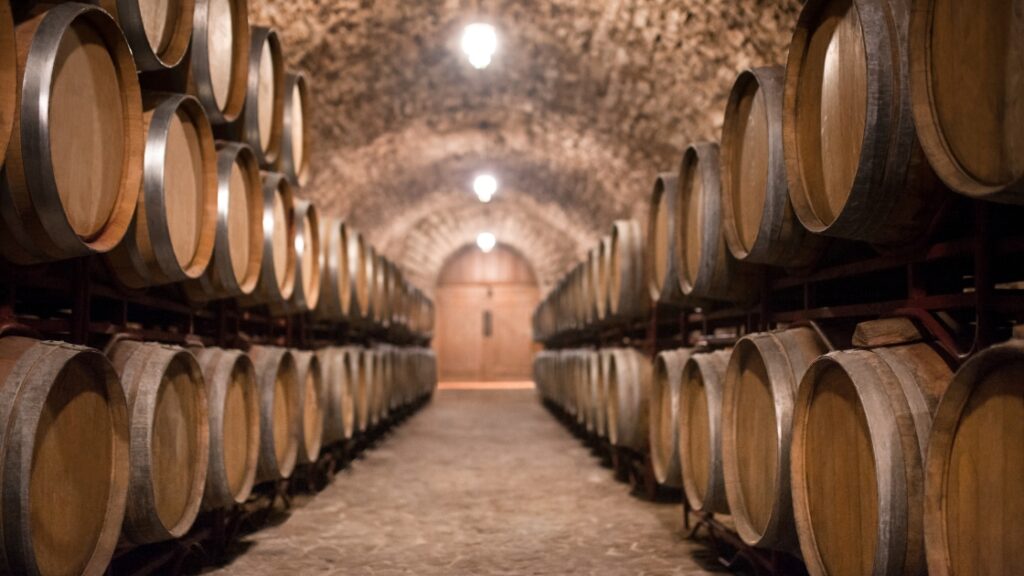
Winemaking is one of the few industrial processes designed to produce an asphyxiant.
Yeast metabolises the sugar in the grape and converts it to water, alcohol and carbon dioxide. That is not a side effect, it is the reaction. So a tank in active fermentation is a carbon dioxide generator running continuously, and the headspace above the wine can approach 100 percent by volume.
Put that in the units exposure standards use and the scale becomes obvious. A headspace near 100 percent is around a million parts per million. Workplace exposure standards for carbon dioxide are measured in thousands.
Where it collects
Carbon dioxide is heavier than air, so it settles. The places to worry about are the low ones and the enclosed ones: pits, sumps, storage tanks, fermentation rooms, barrel cellars and bottling rooms.
Two things make it more dangerous than the numbers suggest.
It displaces oxygen, so a worker faces asphyxiation as well as carbon dioxide exposure, and the two hazards arrive together from the same source. And during active fermentation a closed building accumulates it, which means the atmosphere inside a shed can exceed safe levels without anything having leaked or failed.
Anywhere workers enter during fermentation needs testing for carbon dioxide and oxygen before entry, not just the tanks.
And the timing is the problem
This is the part that makes wineries different from most food and beverage sites.
Vintage is short, intense and seasonal. It runs on long days, extra shifts and a lot of casual and seasonal labour, and it is exactly the period when fermentation is most active and carbon dioxide production is highest.
So the workforce least familiar with the hazard is on site when the hazard peaks. Detection matters in a winery partly because induction cannot carry the whole load.
Five other gases
Carbon dioxide dominates, but it is not alone.
Sulphur dioxide is used as an antioxidant on fresh grapes, juice and wine to inhibit yeast and mould growth, and to sterilise empty barrels. Workers handling it generally wear protective clothing and respirators. What that does not cover is a leak from the dispensing equipment, which is where monitoring earns its place.
Hydrogen sulphide turns up in pits, sumps and tanks holding wastewater, alongside combustible gas and oxygen deficiency. It has a particularly unpleasant characteristic worth knowing: at high concentrations it desensitises the sense of smell. So the rotten egg warning disappears precisely when the concentration becomes dangerous, and a worker can believe the air has cleared while standing in a lethal atmosphere.
Ethyl alcohol builds up when cleaning settled residue out of wine tanks, and it can reach the exposure standard comfortably. It also reads as a combustible gas, which matters for how an instrument is configured.
Carbon monoxide comes from petrol powered generating equipment, vehicles and LPG forklifts working in warehouses and sheds. In an enclosed space, exhaust accumulates.
Oxygen deficiency is not a gas but it is the consequence of most of the above, and it is the one that kills quickest.
What to monitor with
Three layers, and most wineries need all three.
Portable multi-gas instruments for entry work and general use. A five plus gas instrument covers oxygen, combustible gas and carbon dioxide alongside a toxic sensor, which handles the majority of a winery’s requirements in one device. Configure the combustible range with resolution in mind if ethyl alcohol detection matters, because a low range gives a more useful reading than a percentage LEL scale.
Where carbon dioxide is the only concern, a dedicated instrument such as the CO2 Buddy is simpler and cheaper than a multi-gas detector somebody has to be trained on.
Fixed detection in fermentation rooms, barrel cellars and anywhere carbon dioxide accumulates without anybody present. A fixed carbon dioxide transmitter mounted low, reflecting the density, alarms before anybody walks in rather than after.
Area monitors during vintage, for temporary coverage where the risk is seasonal rather than permanent. An area monitor placed beside a working tank for the duration of ferment costs far less than a fixed installation that sits idle for nine months.
For confined space entry into tanks, pits and sumps, the pre-entry procedure matters as much as the instrument.
Talk to us
Winery gas detection is a case where the hazard is created by the process rather than introduced to it, which changes where detection belongs and when.
Talk to our Technical Consultants about your site, from WA, NSW and QLD.