
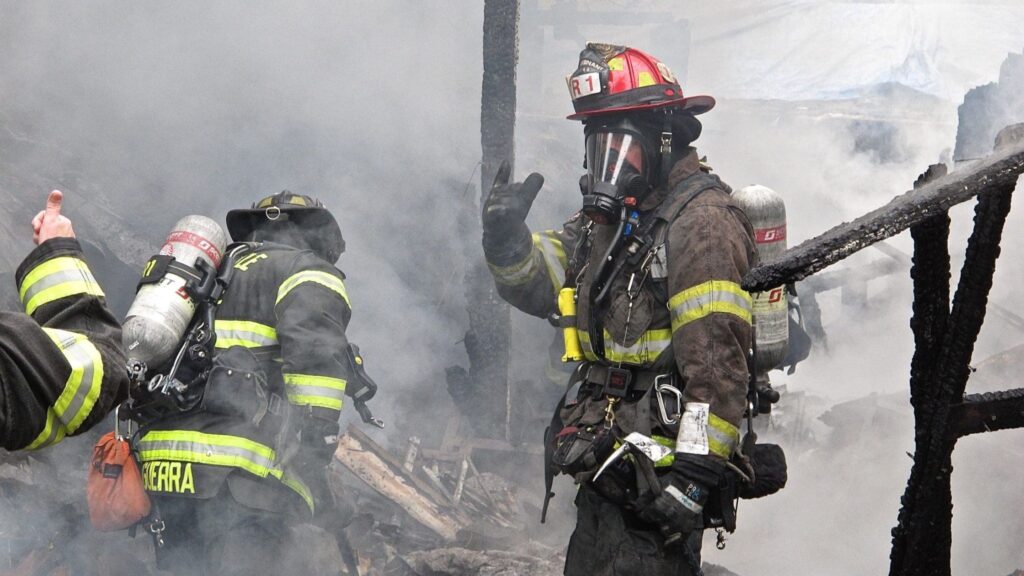
The deadly duo you should know about.
While Carbon Monoxide (CO) gets a lot of attention in various fields, Hydrogen Cyanide (HCN) is often found alongside it. Together, the two are referred to as the “Toxic Twins.” Both are powerful asphyxiants that inhibit the body’s ability to process oxygen. They are dangerous on their own. When combined, they are significantly more deadly.
What Are the Toxic Twins?
Carbon Monoxide is a colourless, odourless gas released from burning materials including wood, plastics and chemicals. It is produced by the combustion of natural gas, oil, wood and coal. At low levels of exposure, CO causes headaches, dizziness and nausea. At high concentrations, it can cause brain damage or death.
Hydrogen Cyanide is a colourless gas with a bitter almond-like odour, released from burning materials such as plastics, polyurethane foam insulation and furniture upholstery. At low concentrations, HCN leaves people nauseous, disoriented and short of breath. At high concentrations, exposure to both toxic twins together can result in rapid loss of consciousness and death.
Where Do These Gases Come From?
Toxic gases are emitted into the air when everyday items burn, computers, furniture, refrigerators, cleaning supplies and more. Hydrogen cyanide, vinyl chloride, polyvinyl chloride, formaldehyde and nitrogen oxides are all commonly produced during fires. Oxygen levels drop rapidly in a fire environment, while Carbon Monoxide and other harmful chemicals rise to dangerous concentrations. Even at considerably lower doses, long-term health impacts remain a serious concern.
The Effects of CO and HCN Exposure
Regardless of its thickness, colour or movement, smoke carries toxic gases. Toxins are present in heavy, turbulent smoke but can also be found in lighter-coloured smoke or even haze. It is not uncommon for firefighters to experience headaches, sore throats and nausea after a fire, yet few connect these symptoms to hazardous gas inhalation.
Early signs of cyanide poisoning include lightheadedness, fast breathing, nausea, vomiting, a feeling of neck constriction and suffocation, confusion, restlessness and anxiety. Both CO and HCN stop oxygen reaching essential organs, and HCN can also cause heart attacks and lasting damage to the heart and nervous system. Headaches, chest tightness, dizziness and burns around the mouth and nose are all possible effects of combined CO and HCN exposure.
While firefighters are exposed to harmful substances through both their lungs and skin, the lungs are 300 times more efficient at allowing toxins into the body. A single high-concentration HCN exposure is dangerous on its own, but repeated exposure across a lifetime of firefighting can cause cumulative long-term harm to the heart, brain and nervous system.
Needing a portable gas detector that monitors both CO and HCN simultaneously? View our multi-gas detector range or talk to our team.
The Risk During Overhaul
After a fire, most firefighters are exposed to CO and HCN during the overhaul phase, the salvage and clean-up process that follows the main event. The presence of harmful gases cannot be determined by visual inspection alone. The blazing flames and billowing smoke of an active fire serve as obvious warnings, but once the fire is doused, the most critical hazard, toxic vapours in the air, becomes entirely invisible.
Firefighters must also be aware that soft body tissue like the lungs acts as a sponge. When a fire victim is removed from a contaminated environment and placed in fresh air, some pollutants begin to outgas from their body, exposing emergency responders treating them to the same harmful substances, including HCN.
Using a gas detector to detect invisible risks takes very little time or effort. Before, during and after fires, awareness of these gases can make the difference between a safe outcome and a tragedy. According to the Fire Fighter Cancer Foundation, cancer is the leading cause of long-term mortality among firefighters and toxic gas exposure is a significant contributing factor.
A 4-gas portable detector covers the basics for most fire environments. For teams working in more complex or enclosed environments, a 5-plus gas detector provides broader coverage including HCN detection.
Staying Safe From the Toxic Twins
CO and HCN are a serious and underestimated threat. The best protection is awareness, proper gas detection equipment and a culture of using it consistently not just during active fires, but throughout the overhaul phase and any subsequent clean-up work.
Stay informed and stay safe.
For current exposure limits and guidance on CO and HCN in Australian workplaces, refer to Safe Work Australia. For more detail on hydrogen sulphide and other common hazardous gases, visit the Gastech Gas Hub.