
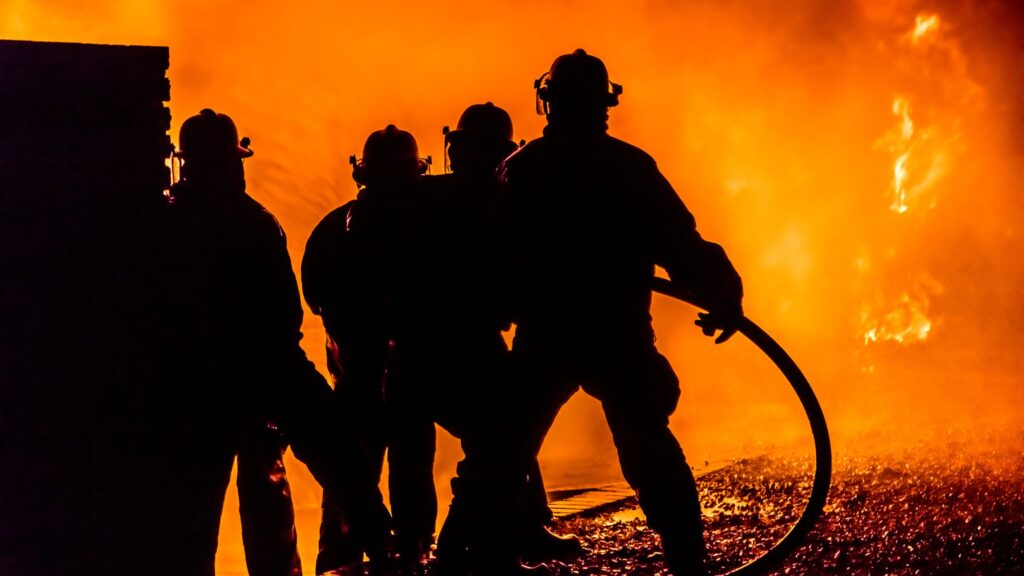
Firefighters are exposed to a variety of harmful and poisonous compounds on the job. This includes workers who handle dangerous materials, clean up after disasters or combat fires directly. When firefighters come into contact with these substances, some can be absorbed through the skin or inhaled in smoke-filled structures.
Because they frequently wear contaminated uniforms that become an additional source of exposure to toxic chemicals, firefighters face a high risk of ongoing contamination. The health consequences, though not always immediately obvious, can include cancer, chronic respiratory issues and kidney damage.
The Hidden Risk of Contaminated Gear
One problem that compounds the risk is that firefighters are known to store firefighting ensembles in private vehicles and their homes. Many harmful substances migrate out and end up on their hands and skin, as well as in the air they breathe. If they take their equipment home to wash it, they also risk exposing their families to PFAS.
This residual contamination could be a continuous source of chemical exposure. There is a known discrepancy in the effectiveness of removing SVOCs (Semivolatile Organic Compounds) during the cleaning, laundering and field decontamination of firefighting uniforms, which can represent a significant ongoing source of exposure for both firefighters and their families.
Health experts have warned that chemical exposure is raising firefighters’ cancer risks. The compounds found in contaminated gear include PFAS, a class of synthetic substances often called “forever chemicals” because they do not completely break down in the environment. They have been linked to cancer, liver damage and lower fertility. Many firefighters have also recalled incidents involving dizziness, weakness and rapid heart rate without realising they may have been exposed to hydrogen cyanide at the time.
Secondary Contamination After Leaving the Scene
Firefighter turnout gear and PPE that becomes contaminated with toxic compounds from the fire ground can continue to transfer and off-gas toxins long after the incident has concluded. The possibility of secondary contamination begins the moment a firefighter departs the threat area.
The first step in preventing secondary contamination is for the firefighter to conduct extensive decontamination to remove as many exterior contaminants as possible from the outer surface of their PPE. The second step is to correctly manage PPE and SCBA that have gone through gross decontamination. Such equipment should be treated as hazardous until it is washed and dried at the station.
Surface pollutants, impregnated chemicals and compounds that can only be eliminated during advanced cleaning will remain on PPE and SCBA that have passed through gross decontamination. All contaminated PPE and SCBA should be bagged and transported back to quarters in heavy-duty plastic bags.
Transporting tainted equipment back to the station is another concern. Firefighters and officers must reconsider how available storage space is allocated to accommodate contaminated gear, particularly given that compartment space on most fire apparatus is already used for other stored equipment.
Protecting Firefighters: Six Steps Every Team Should Follow
Following proper protocol is one of the most effective ways to reduce exposure risk. Here are six steps that every firefighting team should have in place.
Follow the manufacturer’s instructions. Both police officers and firefighters must be aware of and comply with manufacturer instructions for all PPE and equipment. Each firefighter is ultimately accountable for maintaining and managing their tools appropriately.
Take care of gear from the beginning. From the outset of their careers, firefighters need to develop the skills and discipline to keep protective equipment clean and free of potentially dangerous contaminants.
Do routine cleanings. Regular cleaning is required following any emergency response where soiling has taken place. This involves removing dirt with a brush, dampening the garment and spot cleaning as necessary. At a utility sink, wear protective gloves and safety glasses, pre-treat heavily soiled areas with a degreasing solution, use warm water not exceeding 40°C, brush gently with a soft-bristle brush, rinse thoroughly and air dry. Do not dry in direct sunlight as UV rays will degrade the outer shell fabric.
Perform annual advanced cleaning. A minimum of once per year, or whenever an ensemble becomes too dirty for routine cleaning to address, advanced cleaning must be carried out. This also applies when routine cleaning fails to remove an obvious odour or contamination from diesel fuel, toxins or dirt.
Pre-treat severely soiled areas. A specialist spotting chemical for turnout gear can significantly enhance the washing process when applied to heavily contaminated areas. Keep hands, eyes and face covered during pre-treatment. For tar that has adhered to the cloth, allow the spotter to penetrate the material before carefully removing the tar with a plastic or wooden scraper.
Decontaminate after any hazmat incident. PPE that has been exposed to known hazardous compounds or biohazards should be taken out of service immediately and sent for specialist cleaning before it is used again.
Gas Detectors as a First Line of Defence
While proper PPE management reduces ongoing exposure risk, gas detectors remain a critical tool for firefighters working in environments where toxic gases may be present. Portable gas detectors worn by personnel can detect hydrogen cyanide, carbon monoxide and other combustion by-products in real time, giving firefighters an early warning before exposure reaches dangerous levels.
View our range of portable gas detectors suited to emergency response and hazardous environment work, or contact our team for advice on the right solution for your crew.
Keeping Firefighters Safe
The firefighting profession carries serious risk factors that cannot be entirely eliminated. But with proper protocols, disciplined equipment management and the right gas detectors in place, the risks can be significantly reduced. Every step taken to reduce chemical exposure and contamination is a step toward a longer, healthier career for the people who put themselves in harm’s way to protect others.
For further guidance on chemical exposure and firefighter safety standards, refer to Safe Work Australia.