
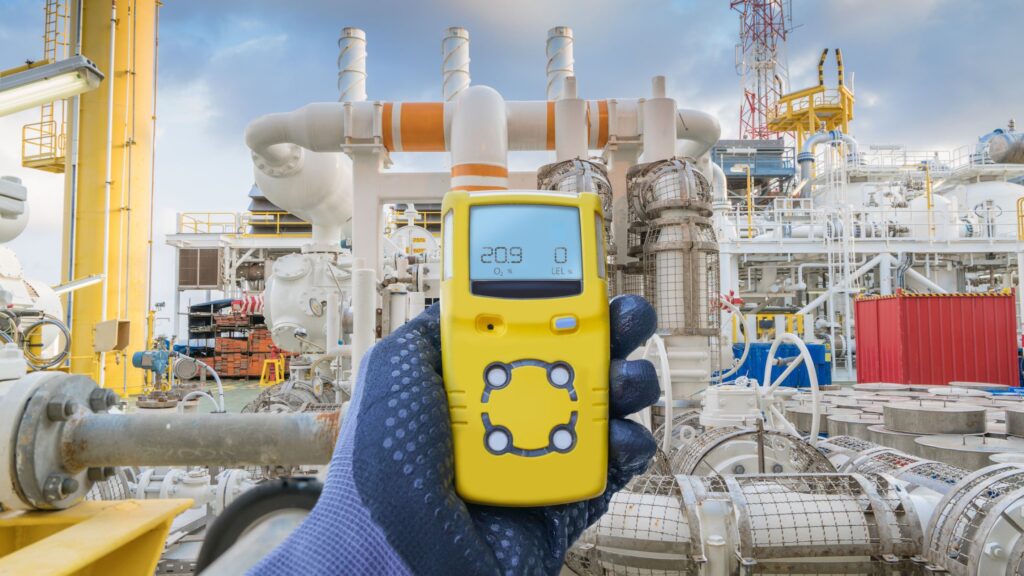
Given the critical role gas detectors play in workplace safety, keeping sensors in good working condition is not optional. A sensor that is past its service life or has been damaged by environmental factors may not alarm when it needs to. Understanding what affects sensor life expectancy helps you stay ahead of failures before they become a problem.
How Long Do Gas Detector Sensors Last?
Sensor life expectancy varies significantly depending on the type of gas being monitored. Sensors for more common gases like carbon monoxide and hydrogen sulphide generally last longer than those used for more reactive or exotic gases such as chlorine or ozone. As a general guide, standard oxygen sensors typically last up to two years, with long-life options available for applications that require extended service intervals.
Always check the manufacturer’s recommended replacement interval for each sensor type in your portable gas detector or fixed gas detector. These intervals are based on normal operating conditions if your sensors are exposed to challenging environments, replacement may be needed sooner.
What Affects Sensor Life?
Several factors can shorten a sensor’s effective service life. Being aware of these helps you manage your instruments more effectively and avoid unexpected failures.
Ambient temperature plays a significant role. Sensors operating consistently outside their rated temperature range will degrade faster than those kept within specification.
Humidity levels affect electrochemical sensors in particular. High humidity over extended periods can accelerate sensor wear and affect accuracy.
Interfering gases, those that cause cross sensitivity reactions, can also damage sensors over time, not just produce false readings. Repeated exposure to inhibiting or highly reactive gases accelerates degradation.
Physical factors such as vibration and shaking, common in vehicle-mounted or heavy industrial applications, can cause mechanical wear inside the sensor housing.
Contamination by cleaning products is a frequently overlooked cause of premature sensor failure. Alcohol-based cleaners used near gas detectors can poison CO sensors and cause them to read inaccurately or fail to recover. See our blog on sensor cross sensitivity for more detail on this.
Contamination by dust, sand or pests can block sensor inlets and prevent gas from reaching the sensing element, resulting in a detector that appears to be working but is not sampling accurately.
Getting the Most From Your Sensors
Sensors can be expensive to replace. Where practical, limit their exposure to the damaging factors above. Store instruments correctly when not in use, keep them away from harsh chemical environments between deployments and ensure filters are inspected and replaced as part of your routine maintenance program.
Regular service and calibration by a qualified technician is the most reliable way to catch sensor degradation early. Gastech’s service team services gas detectors across WA, NSW and QLD and can advise on sensor replacement schedules tailored to your specific instruments and operating environment.
Need replacement sensors or want to book a service? Contact the Gastech team or check our range of spare parts.
For workplace safety obligations relating to gas detector maintenance, refer to Safe Work Australia.