
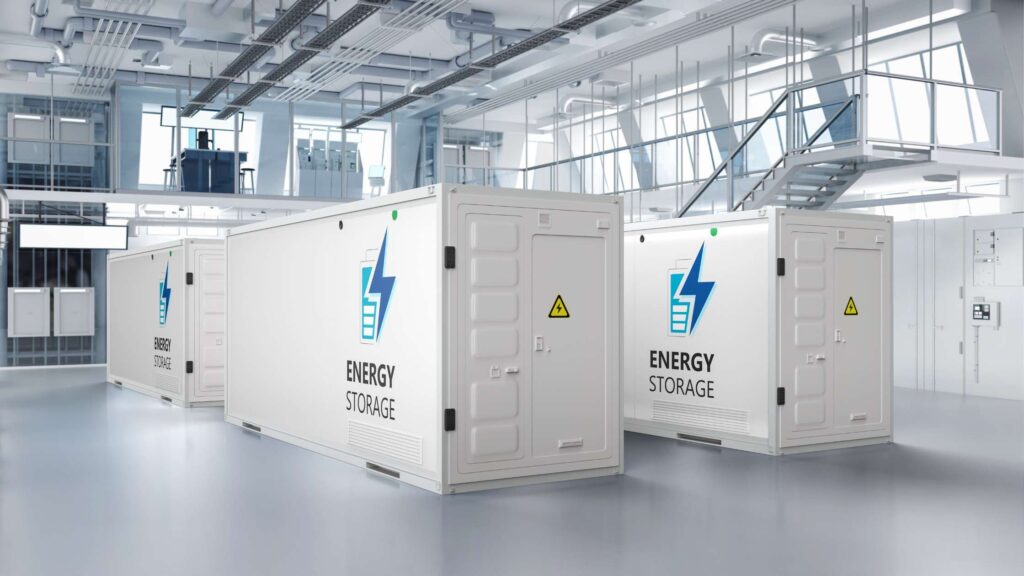
The global energy shift is no longer coming, it’s here. Battery Energy Storage Systems (BESS), once seen as an emerging technology, are now an essential part of how industry, infrastructure, and government manage energy. Whether stabilising the grid, supporting renewable projects, powering electric vehicle charging sites or backing up data centres, BESS installations are rapidly becoming the norm across Australia and beyond.
But with this evolution comes risk.
For all their efficiency and scalability, BESS systems carry serious hazards, and one of the most underestimated is gas release. Under certain failure modes, lithium-ion batteries can produce highly toxic or flammable gases with little or no warning. When that happens, the consequences are severe, ranging from personnel exposure and facility downtime to full-scale fires or explosions.
At Gastech, we understand those risks deeply. More importantly, we know how to mitigate them.
Understanding the risk of gas release in BESS
One of the most dangerous failure scenarios in lithium-ion batteries is thermal runaway. This is a chain reaction where internal cell damage or overheating causes rapid temperature rise, which in turn produces gas, heat, and the potential for ignition. Thermal runaway can be triggered by overcharging, physical damage, internal faults, or manufacturing defects. Once started, it can move quickly through adjacent cells and modules. This failure mechanism has been widely studied and documented by organisations such as the National Fire Protection Association (NFPA) and the National Renewable Energy Laboratory (NREL) and forms the basis for testing under UL 9540A.

Fire breaking out at a Tesla Battery Energy Storage System (BESS) site in Victoria.
Even before a thermal runaway event, minor off-gassing can occur during charging, degradation, or minor fault conditions, often with no visible warning. If left undetected, this gas can accumulate and pose an ignition risk when exposed to a spark, heat source, or even static electricity. What makes gas release especially dangerous is that toxic exposure can occur well before oxygen levels drop or any visible smoke is present.
Symptoms may include:
- Eye or throat irritation
- Dizziness, nausea, or headaches
- Difficulty breathing
- Confusion or drowsiness
- Chemical lung burns in high HF exposure
These are early warning signs, not of fire, but of toxic gas build-up. In the case of combustion, smoke from battery fires contains a broad mix of harmful compounds including carbon monoxide, carbon dioxide, and particulate matter, along with acid gases, VOCs, and combustion by-products.
See the next section for a detailed breakdown of gases released in BESS environments and their risks.
What gases are released from BESS systems
When lithium-ion batteries overheat, degrade, or fail, they can release a wide range of hazardous gases, many of which are toxic, flammable, corrosive, or environmentally persistent. The exact mix depends on the battery chemistry, state of charge, and failure mode, but even small-scale events can pose serious health and safety risks.
Common gases and vapours include:
- Hydrogen (H₂): colourless, odourless, highly flammable, explosive at low concentrations
- Carbon monoxide (CO): toxic and invisible, binds to haemoglobin and restricts oxygen delivery
- Hydrogen fluoride (HF): corrosive to skin and lungs, dangerous even at very low levels
- Methane (CH₄) and ethylene (C₂H₄): flammable hydrocarbons, contribute to explosive atmospheres
- Volatile organic compounds (VOCs): such as solvents and alcohols, irritating or harmful depending on exposure
- Carbon dioxide (CO₂): contributes to oxygen displacement in enclosed areas
- Particulate matter (PM/soot): inhalable fine particles, can damage lungs and increase respiratory risk
- Other by-products: aldehydes, acid gases, sulfur dioxide (SO₂), nitrogen oxides (NOx), polycyclic aromatic hydrocarbons (PAHs), benzene, toluene, metals, and dioxins, many of which are carcinogenic or environmentally hazardous
These substances may be present well before there are visible signs of fire or oxygen depletion. Large scale fire tests on lithium-ion batteries have measured significant releases of hydrogen fluoride as cells fail, enough to be dangerous to people in or near the battery room. So a battery failure isn’t just a fire hazard. It’s a toxic gas release event, with potentially severe consequences for nearby personnel and infrastructure.

Thermal runaway early warning and risk estimation based on gas production characteristics of different types of Lithium-Ion batteries
Many of these gases are odourless, colourless, and heavier than air, meaning they can accumulate in low points, trenches, or corners without triggering basic fire alarms. This makes targeted gas detection systems the most reliable way to identify and respond to BESS off-gassing events before they escalate
Designing an effective detection system
Choosing the right gas detectors is only part of the solution. Effective gas detection in a BESS environment also depends on thoughtful system design. The goal is to catch gas accumulation early enough to act, well before it reaches dangerous levels.
Key considerations include:
- Battery type and failure profile: Different chemistries release different gases. Your detection system should be tailored accordingly.
- Layout of the room or enclosure: Gas can accumulate in corners, under racking, or near the ceiling depending on its density.
- Natural and forced ventilation: Both natural airflow and mechanical systems influence how gases move and settle.
- Alarm and system response: Detection is only useful if it triggers an appropriate response. This could include local or remote alarms, activating ventilation, or linking to a fire panel.
Gastech works with customers to design detection systems that suit their specific layout, risk profile, and compliance requirements. Whether it is a standalone battery room or a network of containers, we help ensure sensors are placed where they will be most effective.

Illustration showing the stages leading up to a fire in a lithium-ion battery, highlighting early warning signs before smoke or flames appear.
If you’re designing a system or reviewing an existing setup, we can walk engineering or procurement teams through an easy checklist to make sure your detection strategy is practical, compliant, and built to perform. Contact us to get started.
Correct sensor placement in battery rooms
Designing a gas detection system is more than just choosing the right sensors. Where and how you install them makes all the difference.
In recent site studies and project notes from our engineering team, we’ve identified a common oversight: placing detectors too high, or in locations that don’t reflect gas density or airflow behaviour. Carbon dioxide and the electrolyte solvent vapours released during off-gassing are heavier than air, and tend to collect in low lying areas near battery racks. Hydrogen is much lighter than air, and may accumulate near the ceiling if ventilation is poor. Hydrogen fluoride is close to the density of air, so it spreads with the airflow, which is why detector placement should follow the ventilation pattern of the room.
To counter these risks, we recommend the following:
- Sensor mounting height: Tailored to the expected gas.
- Redundancy: In high-risk zones, use triple-redundant sensors to ensure any single failure doesn’t leave you exposed.
- Integration: Link gas detection directly to site fire panels or control systems for immediate alarm and response.
- Real-time monitoring: Choose controllers that provide constant visibility, not just alerts when thresholds are breached.
Our recent BESS room designs have implemented FM-approved sensors to detect ethylene, CO, and other relevant gases, all connected to customer-specified alarm protocols. These decisions are based on field-tested configurations that have already proven effective in large-scale battery installations.

Gastech technician demonstrating correct sensor placement for effective gas detection.
If you’d like to see sample layouts or talk through the positioning for your site, we can provide design input or installation notes to guide your team. Contact us here.
Gas detection comes before fire detection
By the time smoke or flames are visible in a BESS installation, the situation is already critical. Gas detection is the earliest possible warning system in the chain of defence. It identifies the release of hazardous gases in real time, giving operators a chance to respond before thermal runaway escalates. In many BESS incidents, gas has been present for minutes or even hours before a fire begins. Without detection in place, those warning signs go unnoticed.
This is why gas detection should never be considered an optional extra. It is a fundamental part of protecting personnel, reducing downtime, and avoiding asset loss.

In high-risk environments, gas detection may also be supported by flame detection. Gastech offers a range of flame detectors through our F -Guard line for sites that require additional fire monitoring capability. These detectors can detect fires that may not be visible to the human eye, including those involving lithium and hydrogen, but they are not a substitute for gas monitoring.
Industry project experience and long-term support
Gastech has recently worked with ARUP and two leading contracting firms in New South Wales on gas detection systems for BESS installations. These were full-service projects, with Gastech not only supplying the equipment, but also providing installation suggestions, layout recommendations, and integration support. We commissioned the systems onsite and currently carry out routine servicing and annual calibrations to ensure ongoing compliance and performance.
This level of involvement reflects a broader industry shift, where project teams are being asked to justify their detection strategy, not just install sensors. That includes identifying which gases to monitor, where to position detectors, how to integrate with fire systems or shutdown protocols, and how to maintain the system over time.
Whether you’re developing a spec, responding to an RFI, or reviewing an existing site, we can work with you to design a reliable and standards-aligned solution.
We don’t just supply gas detectors, we help deliver systems that perform for the long term. Speak to a Technical Consultant to get started.
Conclusion: proactive detection starts with good design
Battery energy storage is a fast growing, high impact technology. But with this growth comes responsibility, to ensure that safety systems are designed with the same level of care and innovation as the batteries themselves. Gas detection is not just a response to regulations. It is a proactive way to protect people, equipment, and operations from invisible but serious hazards. The earlier you plan for it, the more effective your system will be.
At Gastech, we are already supporting projects like yours. We understand the risks, the requirements, and the urgency of getting it right. For current standards governing gas detection in battery energy storage systems, refer to Standards Australia.
If you are planning or reviewing a BESS installation and would like support from our engineers or technical consultants, contact us today. We are ready to help you build a safer, smarter energy future.
Data referenced includes public findings from NFPA 855, UL 9540A, and reports by the National Renewable Energy Laboratory (NREL) and DNV GL. For further guidance, consult Gastech’s engineering team.