
Gas Sampling Tips for Portable Gas Detectors
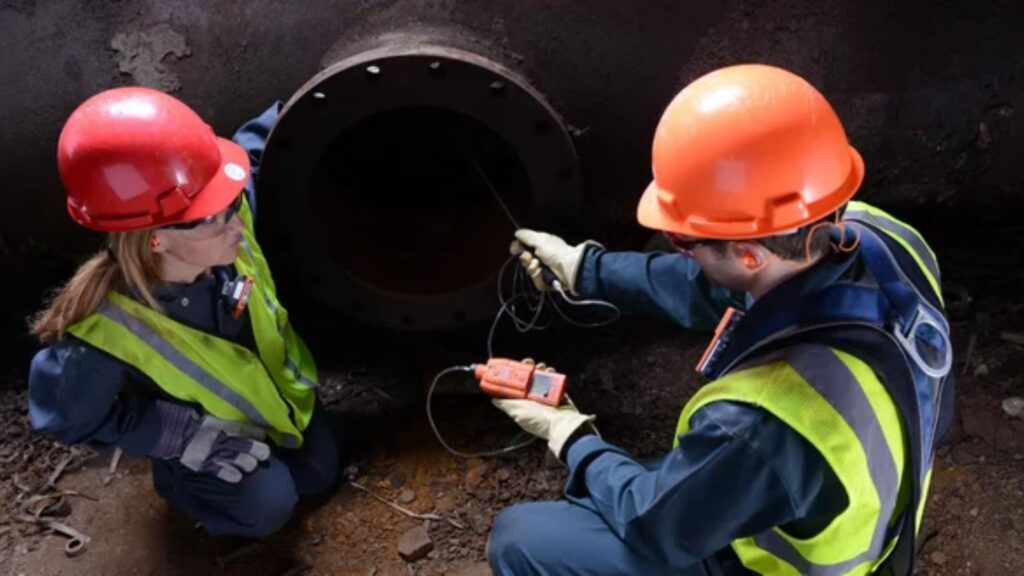
Using a pumped portable gas detector to sample the air inside a confined space is one of the most important steps in ensuring worker safety before entry. Getting the sampling right matters. Here are four practical tips
Perform a bump test before you begin
Before taking any air samples, bump test the instrument to confirm the sensors are responding correctly. A bump test exposes the detector to a known concentration of gas and verifies that it alarms at the expected level. This should be done every day the instrument is used, not just at the start of a job. Skipping this step means you have no assurance the detector is working when you need it most. View Gastech’s range of calibration gases to ensure you have the right bump gas on hand.
Keep the tube length as short as possible
Longer sampling tubes introduce delay and can affect reading accuracy. Use the shortest tube length practical for the application. If the confined space is deep or difficult to access, plan your sampling approach before selecting your tube length.
Allow sufficient time for the sample to reach the sensor
When using a pump and sampling tube, allow at least 4 seconds per metre of tubing before reading the display. The gas sample needs time to travel from the sampling point to the sensor. Reading too early will give you an inaccurate result, particularly in deep confined spaces where tube lengths are longer.
Use Teflon tubing for reactive gases
Standard tubing can absorb or react with certain gases before they reach the sensor, giving artificially low or false readings. For reactive gases including chlorine, ammonia, hydrogen sulphide and hydrogen chloride, always use Teflon tubing to ensure accurate readings. Using standard PVC or rubber tubing with these gases is a common and easily avoided mistake.
Following these four steps takes very little time and significantly improves the reliability of your air sampling results. If you are unsure whether your sampling setup is right for your application, contact the Gastech technical team.
For guidance on confined space entry requirements in Australian workplaces, refer to Safe Work Australia.