
GTA-VSD20i
Ventilation Fan Controller
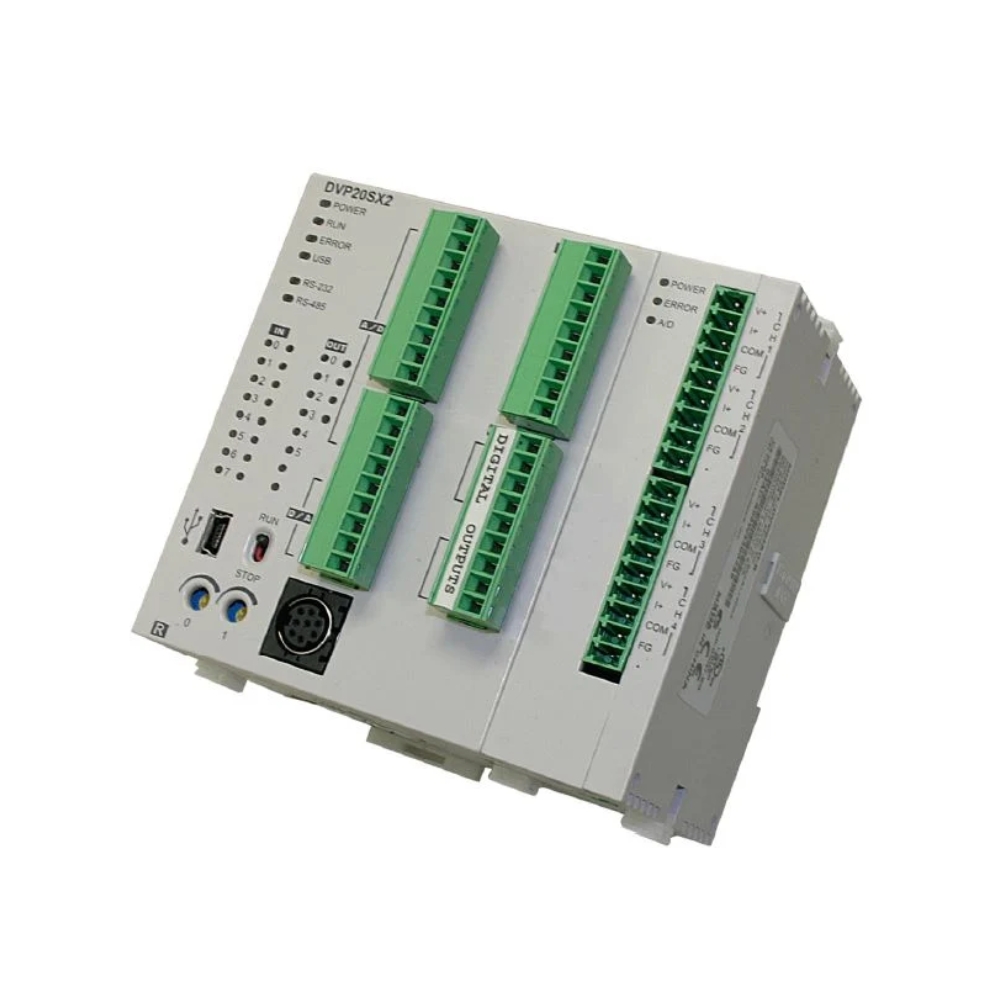
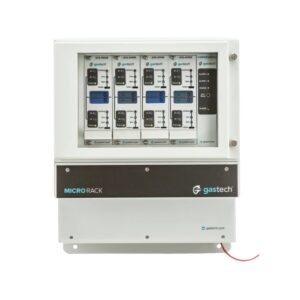
The GTA-VSD20i is Gastech’s own ventilation fan controller for carpark air quality, and it complies with AS 1668.2 out of the box. It reads carbon monoxide levels from connected detectors and ramps the fans to match, rather than running them flat out or not at all. Fan cycling follows the standard on a 15 minute cycle and is timed to place minimum mechanical stress on the fans. The base unit takes four channels and expands to 20, with an optional colour touchscreen for readings, status and logged data.
KEY BENEFITS
- AS 1668.2 compliant fan cycling on a 15 minute cycle, without custom programming
- Variable speed control ramps fans to match gas level instead of running them flat out
- Low stress fan drive control extends fan life and lowers running cost
- Scales from 4 channels to 20 through extender modules, covering a basement or a multi level carpark
- Standard 0 to 10 V output drives conventional variable speed drives with no interface needed
+ more in the Description tab below
The Fans Are the Expense, Not the Detectors
Carpark ventilation is one of the largest single electrical loads in a commercial building. Large fans run long hours, moving air that mostly doesn’t need moving.
The old approach was simple and expensive: run the fans on a timer, or run them continuously, because that’s the safe assumption when you can’t see what the air is doing.
The GTA-VSD20i replaces the assumption with a measurement. It reads carbon monoxide from the detectors and drives the fans to match. When the carpark is quiet, the fans idle or switch off. During the morning rush, they ramp up. Air quality is the same or better, and energy use is much lower.
Over the life of a building, that saving easily outweighs the cost of the control system.
AS 1668.2 Compliance Built In
AS 1668.2 covers mechanical ventilation in Australian buildings, including how carpark ventilation responds to carbon monoxide.
The GTA-VSD20i’s control software cycles the fans in line with the standard, using a 15 minute cycle. That’s not a setting someone has to work out and program on site. It ships that way.
It also follows the recommendations published by fan manufacturers. That matters, because the standard and the fan supplier’s guidance are two separate documents, and a controller has to satisfy both.
For a mechanical services engineer, that means the compliance case is already made, rather than something to prove after commissioning.
Fan Control Thresholds
The response points are fixed and predictable, which is what a designer needs when sizing a system.
| Function | Threshold |
|---|---|
| Analogue output at 0 V | 8 ppm carbon monoxide |
| Analogue output at 10 V | 30 ppm carbon monoxide |
| Low range fan contact active | 8 ppm |
| High range fan contact active | 30 ppm |
| VSD enable contact active | 8 ppm |
| High gas overload activates | 100 ppm |
| High gas overload clears | 30 ppm |
The gap between the 100 ppm activation and the 30 ppm reset is deliberate. Without it, an alarm sitting near its threshold would switch on and off repeatedly, which is a nuisance and hard on the plant it drives.
Longer Fan Life, Not Just Lower Energy
Fans wear out from starting and stopping more than from running. Each start is a mechanical and electrical shock.
The GTA-VSD20i’s AS 1668.2 compliant software cycles fans in a way that puts minimum mechanical stress on them. Ramping a fan up with a variable speed drive is gentler than switching it hard on, and the control logic is written to avoid short cycling.
That means a longer replacement interval for some of the most expensive plant in the building, and replacing a carpark fan is neither cheap nor convenient.
Four Channels, or Twenty
The base unit has four analogue input channels, which suits a small basement carpark.
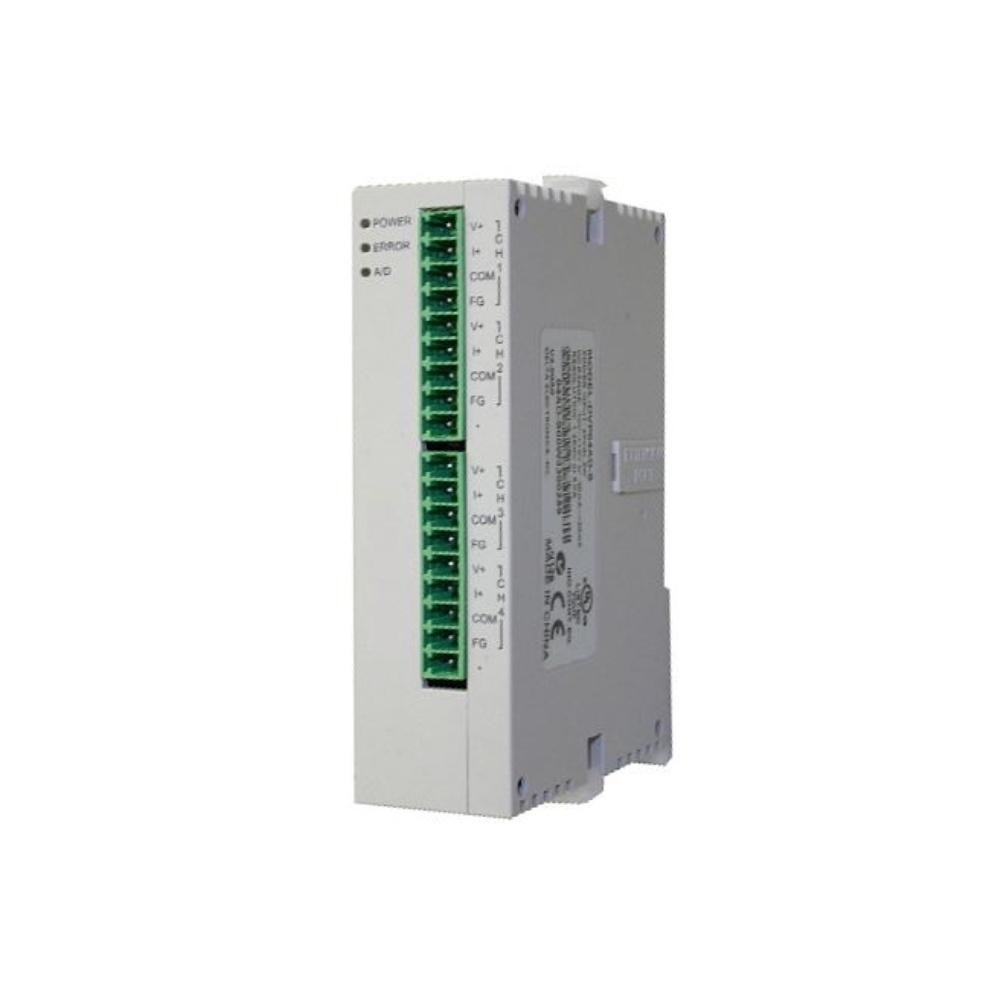
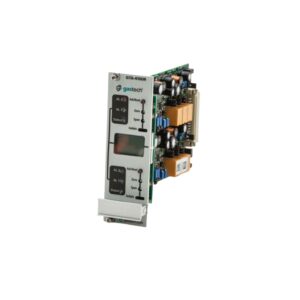
Larger sites expand with extender modules, each adding four more 4-20 mA inputs to the same specification as the main module, up to 20 channels in total. One platform covers a single level basement and a multi storey carpark, so a contractor working across several buildings learns one system.
Inputs are industry standard 4-20 mA current loop, sinking, scaled so that 4 to 20 mA represents 0 to 100 ppm carbon monoxide.
The main module has five volt free relay contacts. They drive two speed or on/off fan control where there’s no variable speed drive, and connect high gas alarms, beacons and sounders.
It Knows When a Detector Has Been Disconnected
A ventilation control system reading zero has two possible explanations: clean air, or a detector that’s no longer connected.
The GTA-VSD20i monitors each input channel and raises a fault if the signal falls outside normal operating limits, which is what a disconnected sensor looks like on a current loop. A separate volt free fault contact reports both internal faults and sensor disconnection.
That matters for a system whose whole job is to run fans when they’re needed. A silent failure would leave a carpark unventilated while the panel showed everything as normal.
The Optional Touchscreen
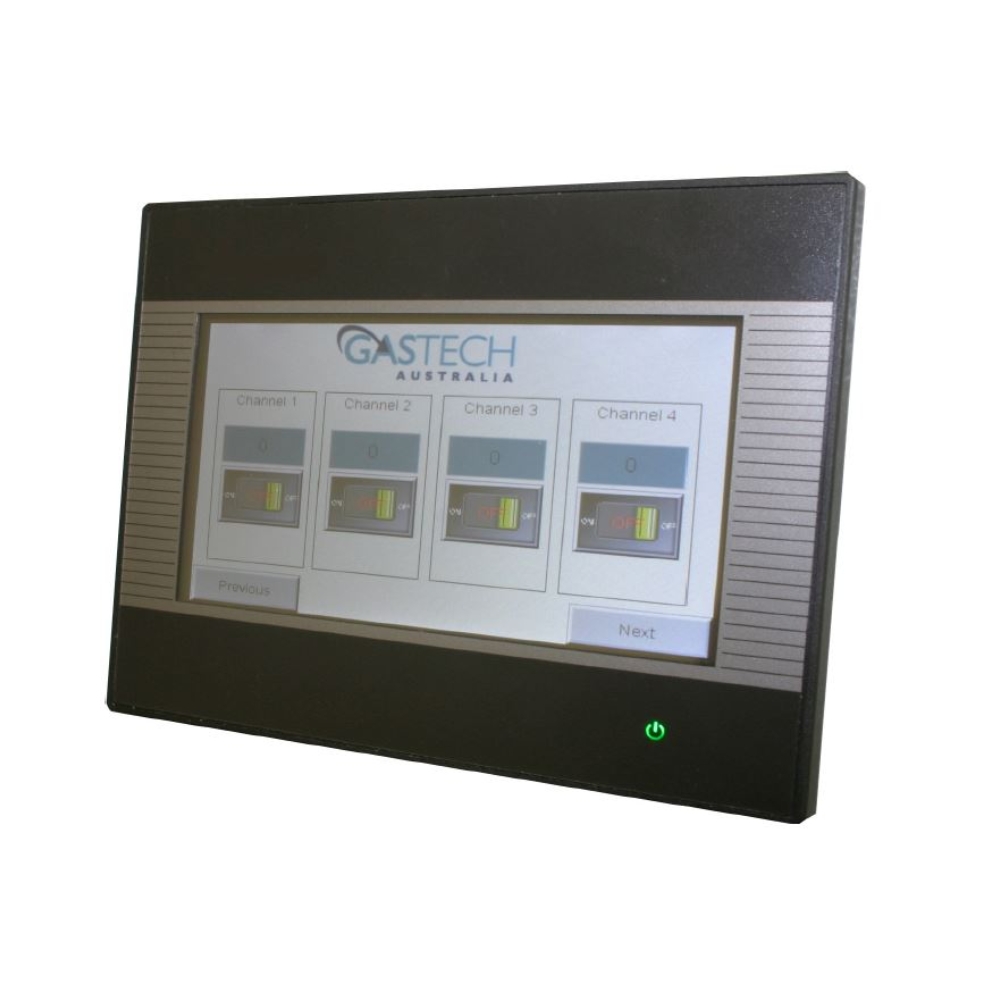
A graphical display panel is available as an option, with a 4.3 inch colour TFT touchscreen at 480 x 272 pixels.
It shows gas concentration and status for each channel, alarm status, and logged measurement data, so system performance can be reviewed rather than guessed at. It also has a channel isolate function, which lets a technician take one detector out of service for calibration without shutting down the whole system.
Logged data is the part building managers tend to appreciate later. When someone asks whether the ventilation has been working, the answer is on the screen.
Designed to Pair With C-Guard
The GTA-VSD20i is built to work seamlessly with C-Guard detectors, the other half of the same system.
The C-Guard measures carbon monoxide and nitrogen dioxide, calibrates in 45 seconds by one person, and has an AS 1668.2 auto test mode that drives the fans for five minutes without test gas. The GTA-VSD20i handles the fan control. Both are designed and built by Gastech in Australia.
That means one supplier for the detection, the control and the compliance question, with engineering support from WA, NSW and QLD rather than an overseas help desk.
Installation
The control unit mounts on standard DIN rail inside a wall mounted enclosure. The display is designed for panel mounting and includes a sealing gasket to maintain environmental integrity.
System components run on 24 VDC. The operating range is -20°C to +50°C at 0 to 95% humidity, non condensing.
Where It’s Used
Commercial and residential carpark ventilation, basement and underground parking, multi storey carparks, loading docks and delivery bays, vehicle workshops and service bays, bus and truck depots, forklift operating areas in warehouses, plant rooms with vehicle access, generator halls, and covered ramps and vehicle tunnels.
Benefits
- AS 1668.2 compliant fan cycling on a 15 minute cycle, without custom programming
- Variable speed control ramps fans to match gas level instead of running them flat out
- Low stress fan drive control extends fan life and lowers running cost
- Scales from 4 channels to 20 through extender modules, covering a basement or a multi level carpark
- Standard 0 to 10 V output drives conventional variable speed drives with no interface needed
- Volt-free contacts give two speed or on off fan control where no VSD is fitted
- Monitors each input for sensor disconnection and reports it as a fault
- High gas output activates at 100 ppm and clears at 30 ppm, so it will not chatter
- Optional 4.3 inch colour touchscreen shows readings, channel status and logged data
- Channel isolate from the touchscreen lets one detector be serviced without dropping the system
Main module dimensions
90 x 70 x 60 mm
Relay outputs
5 volt free relay contacts on the main module
Input channels
Two wire 4 to 20 mA
Input signal type
4 to 20 mA current loop, sinking
Input scaling
4 to 20 mA equals 0 to 100 ppm carbon monoxide
Analogue output signal
0 to 10 V DC
Output scaling
0 V at 8 ppm, 10 V at 30 ppm
Digital fan control output, low range
Volt-free contact, active at 8 ppm
Digital fan control output, high range
Volt-free contact, active at 30 ppm
VSD enable signal
Volt-free contact, active at 8 ppm
High gas overload alarm output
Volt-free contact
High gas overload activate level
100 ppm
High gas overload deactivate level
30 ppm
Fault signal output
Volt-free contact for internal fault and sensor disconnection
Fan control timing
AS 1668.2 compliant, 15 minute cycle
Extender module
4 x 4 to 20 mA inputs, to the same specification as the main module
Graphical display panel
4.3 inch colour TFT, 480 x 272 pixels, touch screen
Display functions
Gas concentration reading, channel status, alarm status, logged data display
Display user input
Channel isolate function
Operating voltage
24 V DC
Operating temperature
Minus 20°C to plus 50°C
Humidity range
0 to 95%, non-condensing
Extender module dimensions
90 x 25 x 60 mm
Graphical display dimensions
103 x 130 x 40 mm
Mounting
DIN rail inside a wall mounted enclosure. Display is panel mounting with a sealing gasket
Warranty
2 years
- Aviation & Transportation
- Carpark & HVAC
- Confined Space & Compliance
- Marine & Maritime
- Medical & Healthcare
Yes, the control software cycles fans in accordance with the standard using a 15 minute cycle, and also follows fan manufacturers' published recommendations.
Four on the base unit, expandable to 20 channels using extender modules that match the main module specification.
No, the 0 to 10 V output drives a VSD if you have one, and volt-free contacts give two speed or on off control if you do not.
Yes, each input is monitored and a fault contact activates if a channel falls outside normal operating limits, which is what a disconnected sensor looks like.
Yes, the optional touchscreen includes a channel isolate function so one point can be taken out of service while the rest keeps running.
It is designed for seamless use with Gastech C-Guard detectors, and accepts any standard 4 to 20 mA signal scaled to 0 to 100 ppm carbon monoxide.
Trusted by









Contact Us
Can’t find what you’re looking for? Our team is happy to help.