
Mimic Box
Remote Alarm Indicator
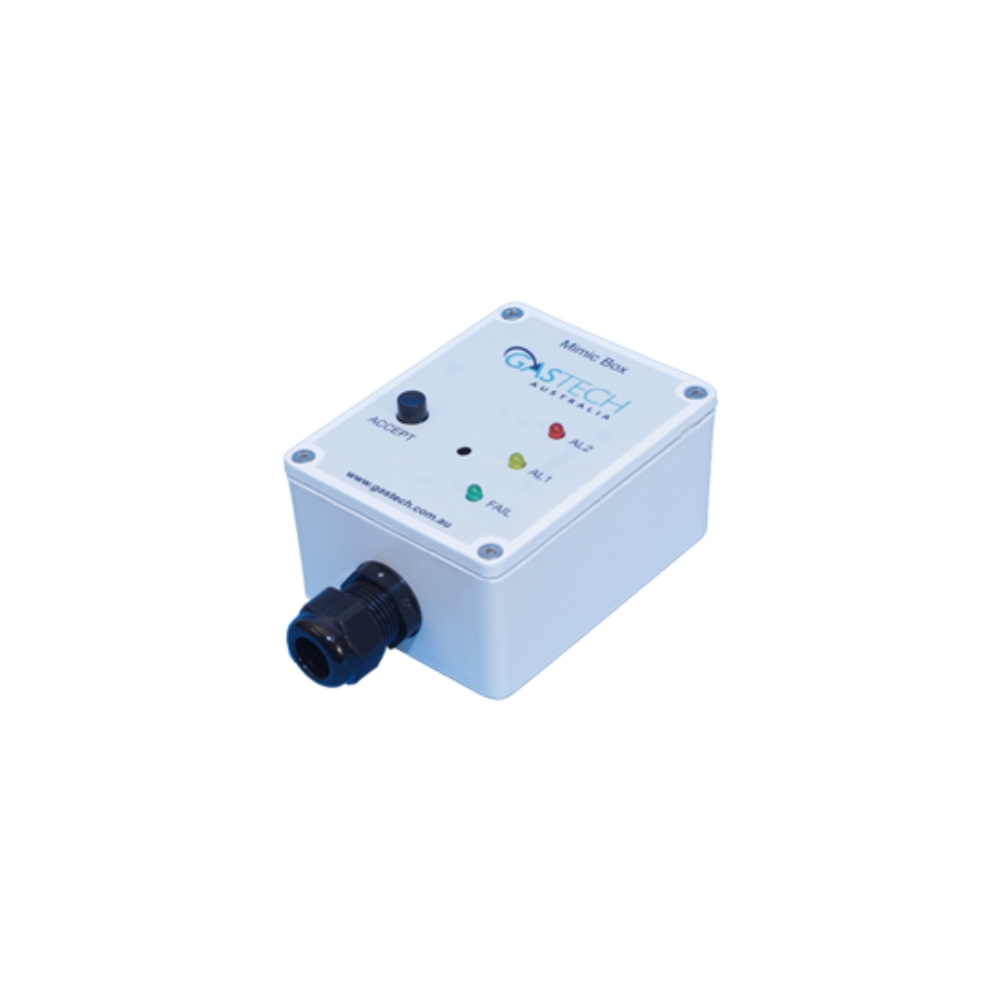
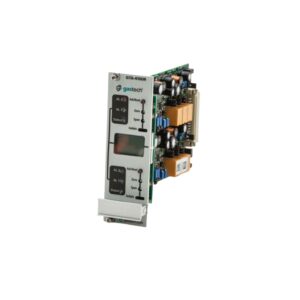
The Mimic Box is Gastech’s own remote alarm indicator, repeating the status of a fire and gas panel wherever people actually work. It hard wires back to the panel’s common relay outputs or to an individual channel, then signals with a sounder and a bright LED that identifies what caused the alarm. An accept button silences the sounder while leaving the LED lit, so the condition stays visible until the panel clears it. Install as many as a site needs.
KEY BENEFITS
- Repeats fire and gas panel status where people work, not just at the panel
- Install as many units as a site needs, each hard wired back to the panel
- Wire to common relay outputs or to an individual channel to suit the location
- Sounder and bright LED together, so the alarm lands whether someone hears or sees it
- The LED identifies what caused the alarm rather than signalling a general fault
+ more in the Description tab below
The Panel Is Usually in the Wrong Place
A fire and gas panel lives in a switchroom, plant room or comms cupboard. That’s sensible for the equipment, but not for the people.
The people who need to know a gas alarm has gone off are somewhere else: the control room, the workshop, the site office, the gatehouse or the crib room. An alarm nobody is standing next to is an alarm nobody acts on.
The obvious fix is a second panel, which is expensive and adds a second point of control. The Mimic Box does the same job for much less, and it doesn’t try to be a panel.
How It Connects
The Mimic Box hard wires back to the fire and gas panel’s relay outputs. There’s no network, no addressing and no configuration.
There are two wiring choices, and they suit different locations. Connecting to the panel’s common relay outputs gives a site wide indication, which is what a gatehouse or site office needs. Connecting to one channel’s relay outputs gives indication for a specific detection point, which is what the work area next to that point needs.
Because each unit is wired independently, a site can put one in each location that matters, and set each one up for what that location needs to know.
What Happens When an Alarm Comes In
When the status of the panel or the monitored channel changes, the sounder activates and the associated LED lights up. The LED tells an operator what has changed, not just that something has.
Pressing the accept button silences the sounder, but the LED stays lit. That’s the important part of the design, because silencing an alarm shouldn’t make the underlying condition invisible.
If a new alarm then activates on the panel, the sounder comes back on. So an accepted first alarm can’t hide a second one, which is the failure that makes many simple alarm repeaters dangerous.
The LEDs only clear when the alarm clears at the fire and gas panel.
Accept Isn’t Reset, and That’s Deliberate
Pressing accept on a Mimic Box doesn’t reset the fire and gas panel.
This is worth understanding rather than working around. A remote indicator that could reset the panel would let someone in an office clear a live gas alarm in a plant room they can’t see. Control of the system stays at the panel, with whoever is responsible for it.
What the Mimic Box gives a remote location is information and the ability to acknowledge it, not authority over the safety system.
Built for a Plant Room
The enclosure is powder coated diecast aluminium, designed to be tamper proof. The coating also resists RFI and EMI, which matters in a switchroom full of drives and contactors.
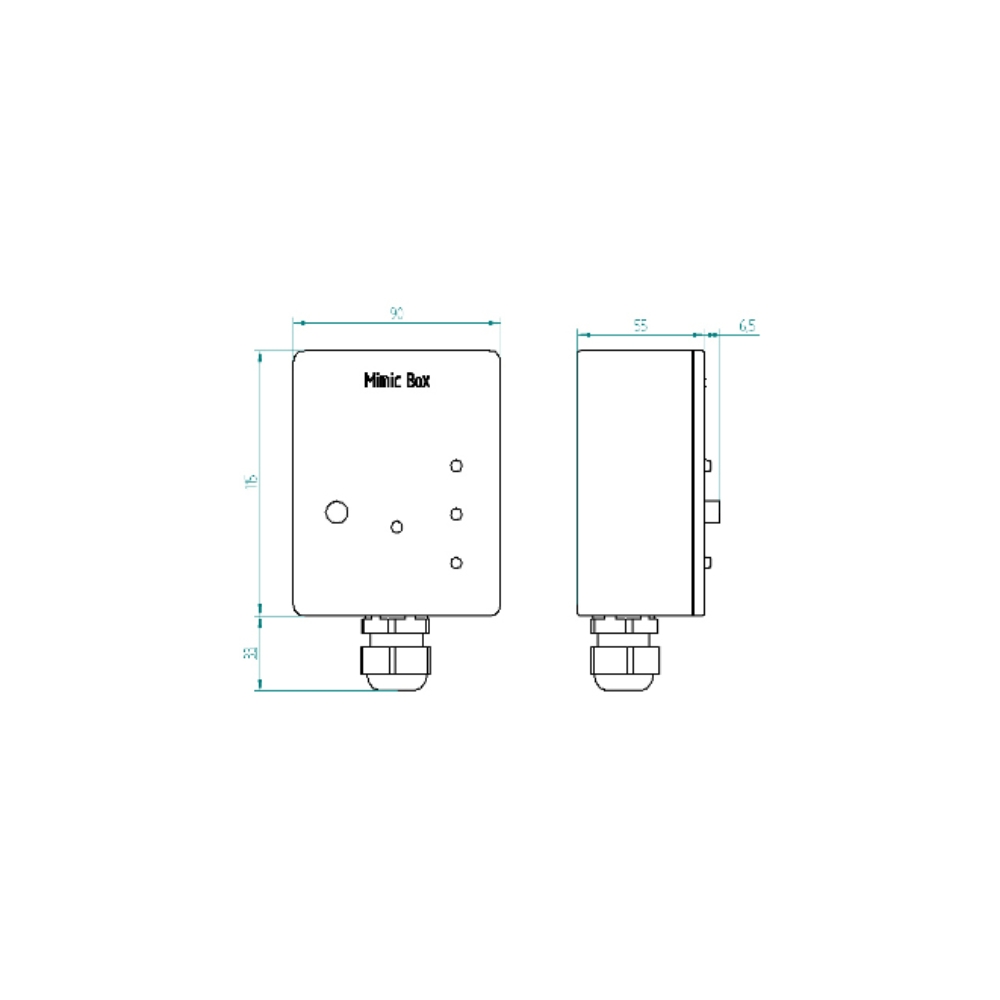
The electronics have a quoted MTBF of 10 years, with a two year warranty. At 420 grams and 90 x 115 x 55 mm, it mounts on a wall without a bracket.
It runs on 10 to 30 VDC, so in most cases it can share the supply of the panel it reports on.
Indoor Installation
The Mimic Box is designed for indoor installation. The enclosure protects the electronics in harsh indoor conditions, but it isn’t designed for outdoor or washdown exposure.
For an outdoor location, a suitably rated beacon and sounder driven from a panel relay is the better approach. Our Technical Consultants can advise on what suits the position.
Where It Sits in the Gastech Range
The Mimic Box adds to a system, rather than being a system in itself. It needs a fire and gas panel to report on.
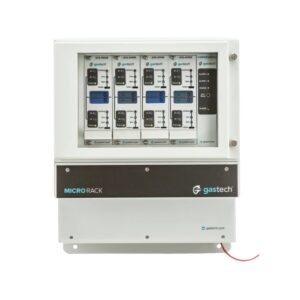
Gastech supplies the panels too. The MicroRack handles one to eight channels and is built around the 4100R controller card, in MicroRack or 19 inch rack format. Detection points come from the D-Guard², S-Guard, B-Guard and C-Guard ranges.
Because Gastech designs both the panels and the Mimic Box, connecting them is straightforward. It also works with third party panels that have relay outputs.
Where It’s Used
Site offices and administration buildings, control rooms and operator stations, gatehouses and security posts, workshops and maintenance areas, crib rooms and amenities, laboratory offices next to a monitored area, plant room entrances, loading bays, pump station buildings, and cellars and beverage dispense areas where the panel sits elsewhere.
Benefits
- Repeats fire and gas panel status where people work, not just at the panel
- Install as many units as a site needs, each hard wired back to the panel
- Wire to common relay outputs or to an individual channel to suit the location
- Sounder and bright LED together, so the alarm lands whether someone hears or sees it
- The LED identifies what caused the alarm rather than signalling a general fault
- Accept button silences the sounder but leaves the LED lit, keeping the condition visible
- A new alarm reactivates the sounder, so a second event cannot hide behind the first
- Accept does not reset the panel, so control stays where it belongs
- Tamper proof diecast aluminium enclosure, powder coated and resistant to RFI and EMI
- Mean time between failures of 10 years on the electronics, with a 2 year warranty
Function
Remote alarm indicator repeating fire and gas panel status
Connection
Hard wired to panel common relay outputs or to an individual channel's relay outputs
Indication
Sounder plus bright LED identifying the cause of the alarm
Acknowledge
Accept button silences the sounder while the LED remains lit
Re-alarm behaviour
Sounder reactivates on a new alarm at the panel
Reset behaviour
Accept does not reset the fire and gas panel. LEDs clear when the panel alarm clears
Operating voltage
10 to 30 V DC
Installation
Indoor
Enclosure
Diecast aluminium, powder coated, tamper proof, resistant to RFI and EMI
Weight
420 g
Dimensions
90 x 115 x 55 mm
MTBF, electronics
10 years
Warranty
2 years on electronics
- Aviation & Transportation
- Carpark & HVAC
- Chemical Manufacturing
- Confined Space & Compliance
- Energy (Oil & Gas)
- Food & Beverage
- Landfill & Remediation
- Marine & Maritime
- Medical & Healthcare
- Mining & Minerals
- Power Generation & BESS
- Technology & Semiconductor
- Water & Wastewater
It repeats the status of a fire and gas panel at a remote location, using a sounder and a bright LED that identifies what caused the alarm.
Yes, install as many as a site needs, each hard wired independently back to the panel.
No, it silences the sounder only. The LED stays lit and the panel must be reset at the panel itself.
The sounder reactivates, so a new event cannot be masked by an alarm that has already been acknowledged.
Yes, wire it to an individual channel's relay outputs instead of the panel's common relay outputs.
No, it is designed for indoor installation. For an outdoor position use a suitably rated beacon and sounder driven from a panel relay.
Trusted by









Contact Us
Can’t find what you’re looking for? Our team is happy to help.