
Support For Discontinued Gas Detection Equipment
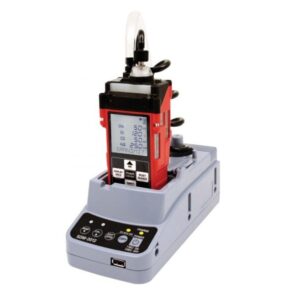
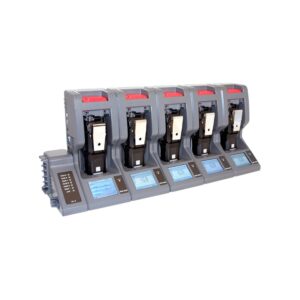
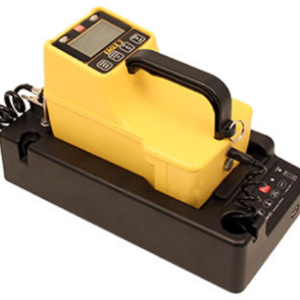
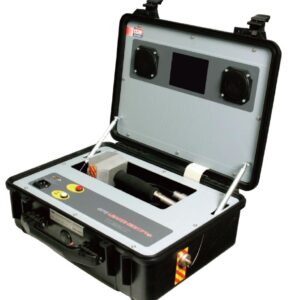
If you have arrived here, you probably own one of these rather than want to buy one. That is why the pages are still up.
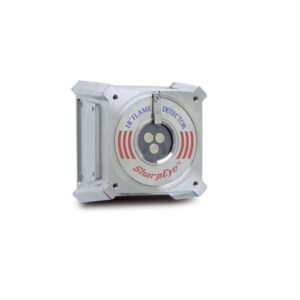
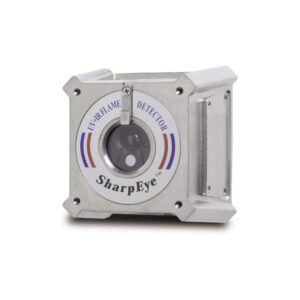
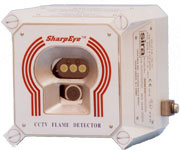
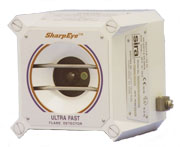
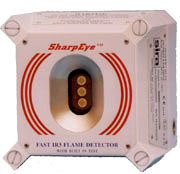
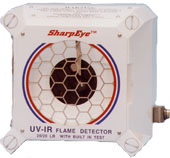
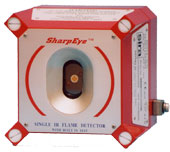
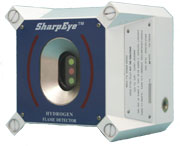
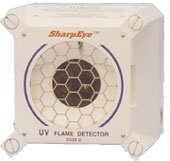
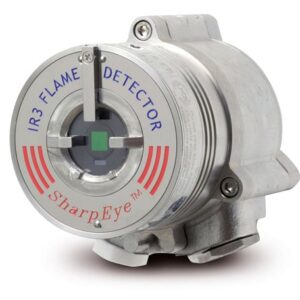
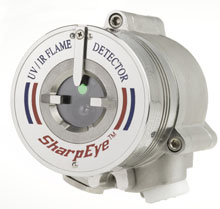
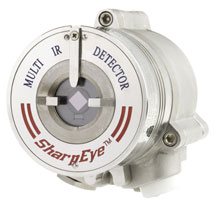
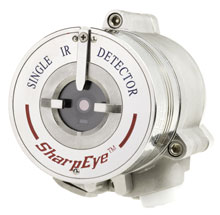
Gas detection equipment gets discontinued for several reasons and only one of them is that it stopped being any good. A manufacturer replaces a platform with a newer generation. A sensor type is no longer produced. A certification lapses or a standard changes and recertifying an older design is not commercially viable. Sometimes the technology genuinely moves on, as it has with the SharpEye 20/20MI and 20/20MPI, both replaced by the newer QuadSense platform, while the 20/20ML gave way to the larger 40/40 UV/IR. Sometimes a product simply reaches the end of a long life, which is what happened to the original D-Guard.
Discontinued does not automatically mean unsupportable. In many cases we can still service and calibrate equipment we no longer supply, and source spares for it. Whether we can depends on three things: whether replacement sensors are still available, whether the parts still exist, and whether the instrument can still be calibrated to a standard we are willing to certify. An instrument that works but cannot be certified is not much use, because a calibration record is what makes it compliant rather than merely functional.
The honest position is that some of these can be kept in service for years and others cannot be supported at all. We would rather tell you which before you plan around it.
There is a wider question worth asking at the same time. If you own one discontinued instrument you probably own several, and a fleet reaching end of support tends to do so all at once rather than gradually. Working out where a fleet sits, what remains supportable and over what period, is a more useful exercise than dealing with instruments one at a time as each fails. Our fleet management service exists for exactly that, and service and calibration can tell you what is realistically achievable.
Where an instrument cannot be kept going, most of these pages name a recommended replacement, chosen because it does the same job rather than because it is the nearest thing we sell. Where the successor is genuinely different, we say so. A detector replacing an obsolete model that covered a gas the new one cannot see is not a replacement, and sending you one would only cause a problem later.
The quickest way to get an answer is to tell us the model number and roughly how many you have. From there we can confirm what can still be serviced, what the calibration position is, and what makes sense to replace and when. Talk to our Technical Consultants, from WA, NSW and QLD.
Trusted by









Contact Us
Can’t find what you’re looking for? Our team is happy to help.